
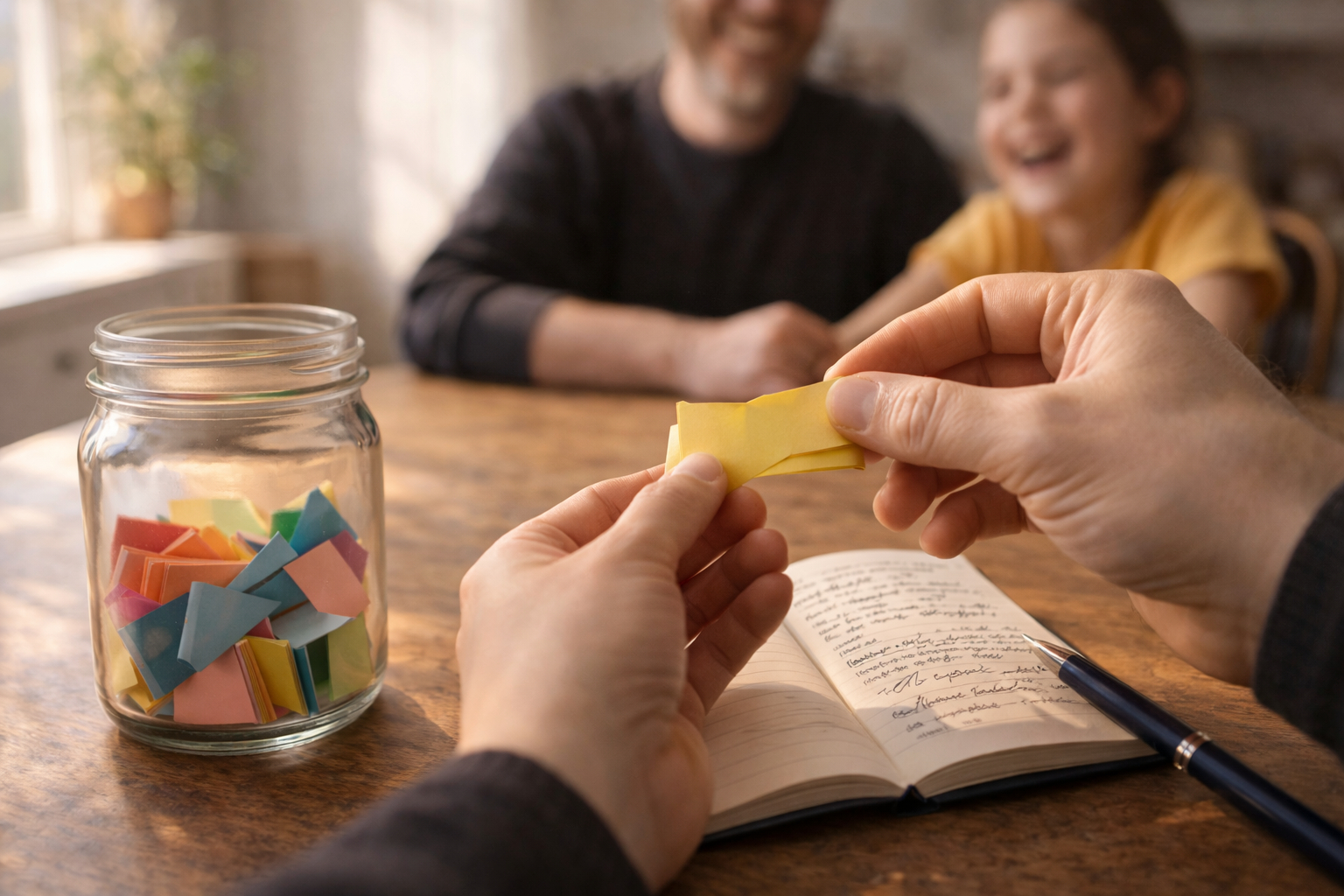
Lighthearted puns and gentle one-liners have a special spot in everyday family life.
They are quick, easy to remember, and ready to break awkward silences.
This style of humor carries warmth more than edge, inviting smiles rather than shocks.
In this article we explore why these quips work, how to craft them, and how to use them well.
Why lighthearted puns land
A successful family-friendly quip often leans on clarity and surprise rather than complexity. Short setups and unexpected wordplay let listeners process the joke quickly and share it forward. The humor is familiar, drawing on common experiences or simple language that everyone recognizes. Because these jokes are low-risk they encourage participation and recurring laughs.
These puns also tap into rhythm and timing; a slight pause or an emphasized syllable can turn an ordinary sentence into a punchline. Over time the predictable structure builds a playful expectation that family members anticipate and enjoy.
Crafting a memorable one-liner
Creating a good one-liner starts with everyday observation and a readiness to twist a phrase. Keep the setup concise, aim for a single clever pivot, and avoid obscure references that require explanation. Simple words often yield the cleanest puns because they make the twist obvious and satisfying.
– Keep lines short: three to seven words often work best.
– Use familiar contexts so the audience quickly follows the logic.
– Focus on a single linguistic trick, such as homophones or double meanings.
When you test a line, notice whether it prompts a groan or a grin; both are fine, but a grin often signals a more repeatable joke. Practice helps refine timing and removes unnecessary clutter from the setup.
Bringing humor into family moments
Timing and tone determine whether a joke feels warm or off-putting in a family setting. A light moment during routine tasks, like preparing a meal or driving, is often ideal because the mood is casual and shared attention is low-key. Avoid using jokes to deflect serious conversations; humor has its place, but it should not minimize concerns that need attention.
– Pick moments when people are relaxed rather than stressed.
– Use inclusive material that brings everyone into the laugh rather than excluding anyone.
When used thoughtfully, these jokes can relieve tension, mark transitions between activities, and create small rituals of amusement. The more they are shared with good intent, the more they become part of a family’s personality and rhythm.
Conclusion
Lighthearted puns offer a gentle, accessible way to inject daily life with laughter and connection.
They succeed by being short, clear, and timed to the situation so the humor lands naturally.
When used thoughtfully, they become shared moments that brighten ordinary routines.