
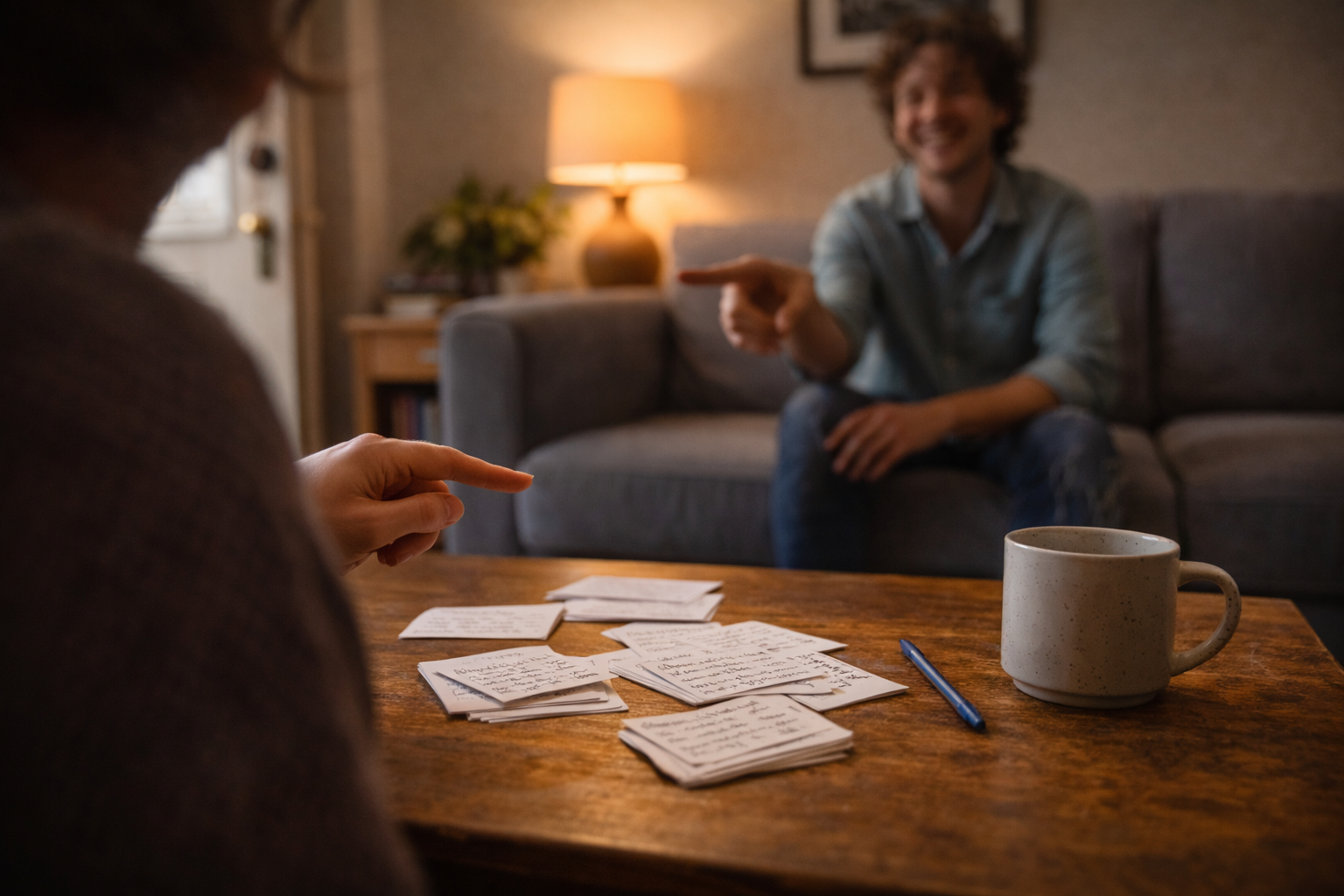
Knock knock jokes remain a charming, compact form of humor that suits brief interactions.
They thrive on rhythm, expectation, and a quick pivot that surprises without offense.
This article offers practical ways to shape jokes that fit casual conversations and social settings.
You’ll learn simple construction, timing tips, and how to read the room so your humor lands.
Why the format still works
The knock knock structure is short and predictable, which makes it easy to join into a conversation. People appreciate patterns, so the setup invites participation rather than passive listening. That shared rhythm reduces risk — the payoff can be playful instead of mean-spirited. As a result, well-crafted knocks can break tension and signal approachability. They translate well across ages when kept clean and concise.
Keep in mind the audience and setting; what works with friends may fall flat with strangers. Use the format as a light bridge, not a conversation anchor. Small jokes can open doors to longer conversations.
Building a short, flexible knock knock
Start with a simple name or pun that has multiple meanings or sounds like a common word. Aim for clarity and brevity; the setup should be obvious within a single line. Avoid obscure references and edgy content that could alienate the listener. The best examples reuse everyday language so the punchline is an easy twist. Experiment with swapping the key word to see which version lands best.
– Use a name that doubles as an object (e.g., ‘Olive’ / ‘I’ll leave’).
– Pick homophones or near-homophones for quick pivots.
– Keep the punchline under six words to maintain momentum.
Test variations aloud; some rhythms feel better when spoken. If a joke needs explanation, tighten the wording. Keep a mental list of winners for social situations.
Delivery, timing, and reading the room
Timing matters as much as wording. Pause just long enough after the knock to let expectation build, then deliver the prompt in a friendly voice. Pay attention to facial cues and energy—if listeners seem distracted, skip the joke. Use an inviting tone so participation feels natural rather than forced. Mirroring the group’s energy helps prevent the joke from feeling forced.
Adjust volume and pace for different settings; a quick exchange suits a group chat while a relaxed pace works one-on-one. If you miss, laugh with them and move on. Practice helps you find the natural pauses that cue a response.
Conclusion
Knock knock jokes are a small, adaptable tool for lightening conversation.
Focus on clear wording, sensible timing, and audience cues to make them land.
With modest practice you can add playful, low-risk humor to many social moments.