
Finding small, reliable sources of humor is the most practical move for any creator who wants to publish regularly. When you treat observation like a muscle to exercise, routine moments start to form the raw material for jokes that land. This article outlines ways to spot setups, shape them into concise punches, and build short practice habits that fit into busy days. You don’t need long writing sessions; you need consistent, focused drills that convert ordinary moments into repeatable bits.
Spotting Everyday Setups
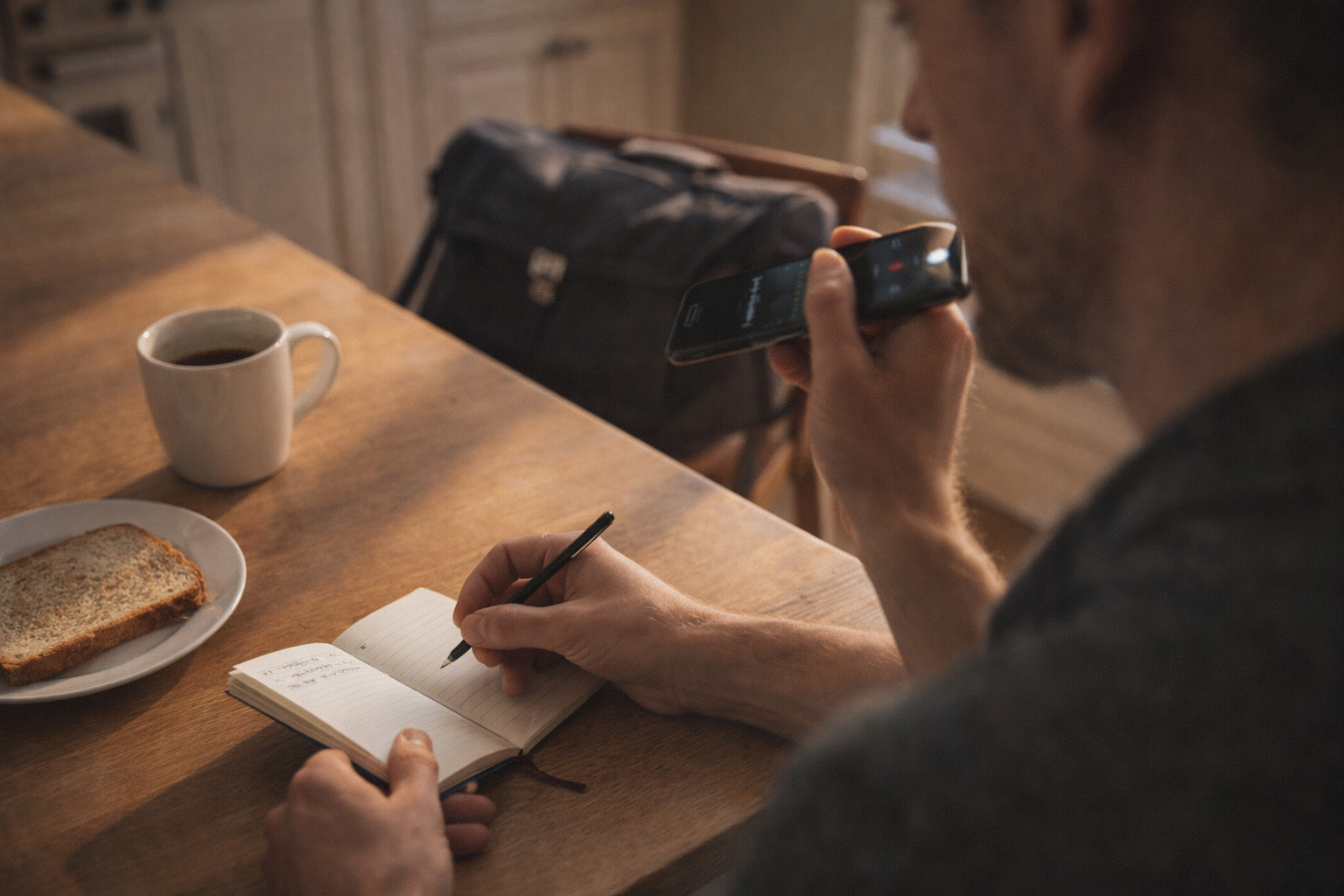
Start by training attention: notice contrasts, unexpected details, and emotional beats in everyday scenes. Pay attention to friction—small things that frustrate or surprise you often make the best setups because they’re relatable. Record a short note or voice memo whenever something hooks you, even if you only capture one line of thought. Over time these micro-observations form a personal database of premises to revisit and test.
Try to collect several different types of setups each week so you can compare which ones feel naturally funny. The more varied your inputs, the richer your pool of potential jokes becomes.
Shaping Observations into Punches
Turning an observation into a joke requires a clear choice about what makes it surprising or absurd. Ask two questions: what assumption does the moment challenge, and how can I twist that expectation economically? Keep the structure tight—premise, expectation, and inversion—and experiment with different tag lines and tempos. Often a tiny change in wording or rhythm is enough to sharpen the punch.
Work aloud and test phrasing on friends or through short recordings to find the most natural cadence. Hearing a line makes it easier to refine the timing and syllable count for better delivery.
Practice Routines That Fit Your Day
Create short, repeatable exercises that become part of your daily flow, like a ten-minute morning sketch or a two-minute note-taking habit. Use prompts like “what annoyed me today” or “what surprised me on the commute” to keep the work focused and fast. Consistency outweighs marathon sessions: five minutes a day compounds quickly into a sizable catalog of bits. Treat practice as iteration rather than performance; most material needs several quick passes to become tight.
Make the routine visible and doable to avoid friction, and celebrate small milestones to maintain momentum. Over weeks, the habit itself becomes a creative engine.
Recording and Refining Short Bits
Capture every draft, then prune ruthlessly: remove extra words, sharpen images, and test alternative taglines. Use simple recordings to judge timing and to notice where a laugh happens or doesn’t. Revisit old notes regularly—ideas often improve after sitting for a few days and getting new context. When polishing, aim for clarity and surprise rather than cleverness for its own sake.
Organize bits by theme or setup so you can recombine elements quickly when building a set or an online post. Small systems reduce the friction between idea and output.
Conclusion
Building fresh, repeatable comedy starts with daily attention and short, focused practice sessions. Collect observations, shape them into tight punches, and iterate through quick recordings to refine timing. Over time those small habits produce a steady stream of shareable, reliable jokes.