
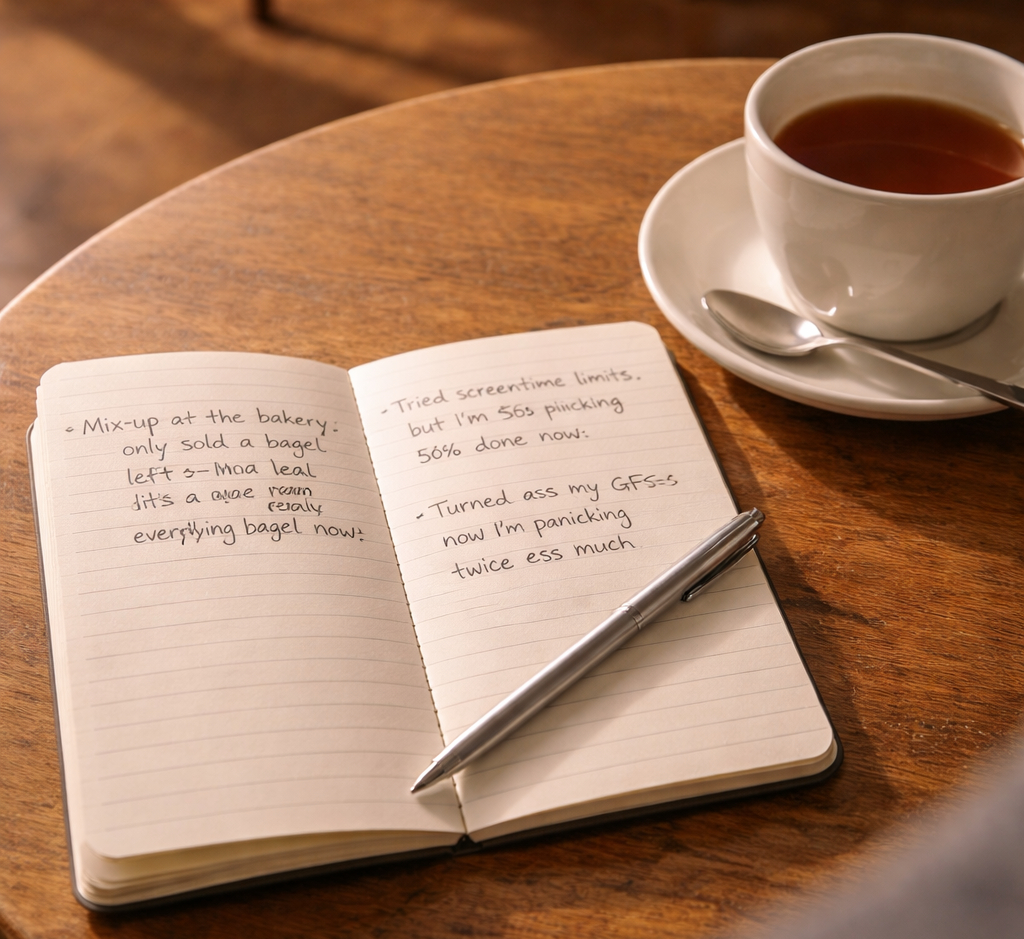
Everyday life hands us dozens of tiny, odd little moments that can turn into quiet comedy if we pay attention.
They are rarely dramatic, but their smallness makes the observation more relatable and often funnier.
This piece explores how to notice those moments, shape them into short comedic beats, and deliver them naturally.
Read on for practical tips you can use in writing, performing, or just enjoying a lighter view of routine days.
Spotting Tiny Details
The first skill is noticing with curiosity rather than judgment. Walk through ordinary situations as if you were cataloging textures and little incongruities: a too-polite pause in conversation, a mismatched pair of shoes in a crowd, or the way a gadget tries to be helpful and fails. Those details feel familiar to an audience because they recognize the experience, which is the foundation of observational comedy. Practice by mentally noting two or three tiny oddities each day and describe them in a sentence or two.
Turning Observations into Short Bits
Once you notice a quirky moment, the next step is shaping it into a concise comic idea. Focus on what surprised you, why the moment felt slightly off, and what exaggeration or comparison highlights the humor. Keep the core image clear and avoid over-explaining—the audience should be able to visualize the setup quickly. Short bits work best when they move from recognition to a small twist or unexpected angle.
– Keep language tight: swap long descriptions for a punchy noun or a single vivid verb.
– Use contrast: set up normal expectations, then reveal a tiny mismatch or illogical reaction.
– End with a small surprise: one extra image or a revealed motive lifts the joke.
Those techniques help compress an observation into a neat, repeatable bit suitable for social posts, short sets, or conversational humor. Try writing three-line versions and pick the one with the most surprising last line.
Practicing Delivery and Timing
Delivery makes a quiet observation land as comedy rather than mere description. Work on pacing: a slightly delayed eyebrow or a brief pause before the punch can give listeners time to assemble the image, then get the payoff. Record yourself reading short bits aloud and note where a breath or pause improves clarity and effect. Most gentle comedy benefits from calm confidence rather than forcing laughs; trust the smallness of the moment and let the audience make the connection.
Conclusion
Small, overlooked details in everyday life are fertile ground for gentle comedy when you pay attention and sharpen the image. Shape those observations into concise bits, then practice subtle delivery and timing to let the humor breathe naturally. With consistent noticing and gentle editing, minute moments will reliably yield quiet, satisfying laughs.