
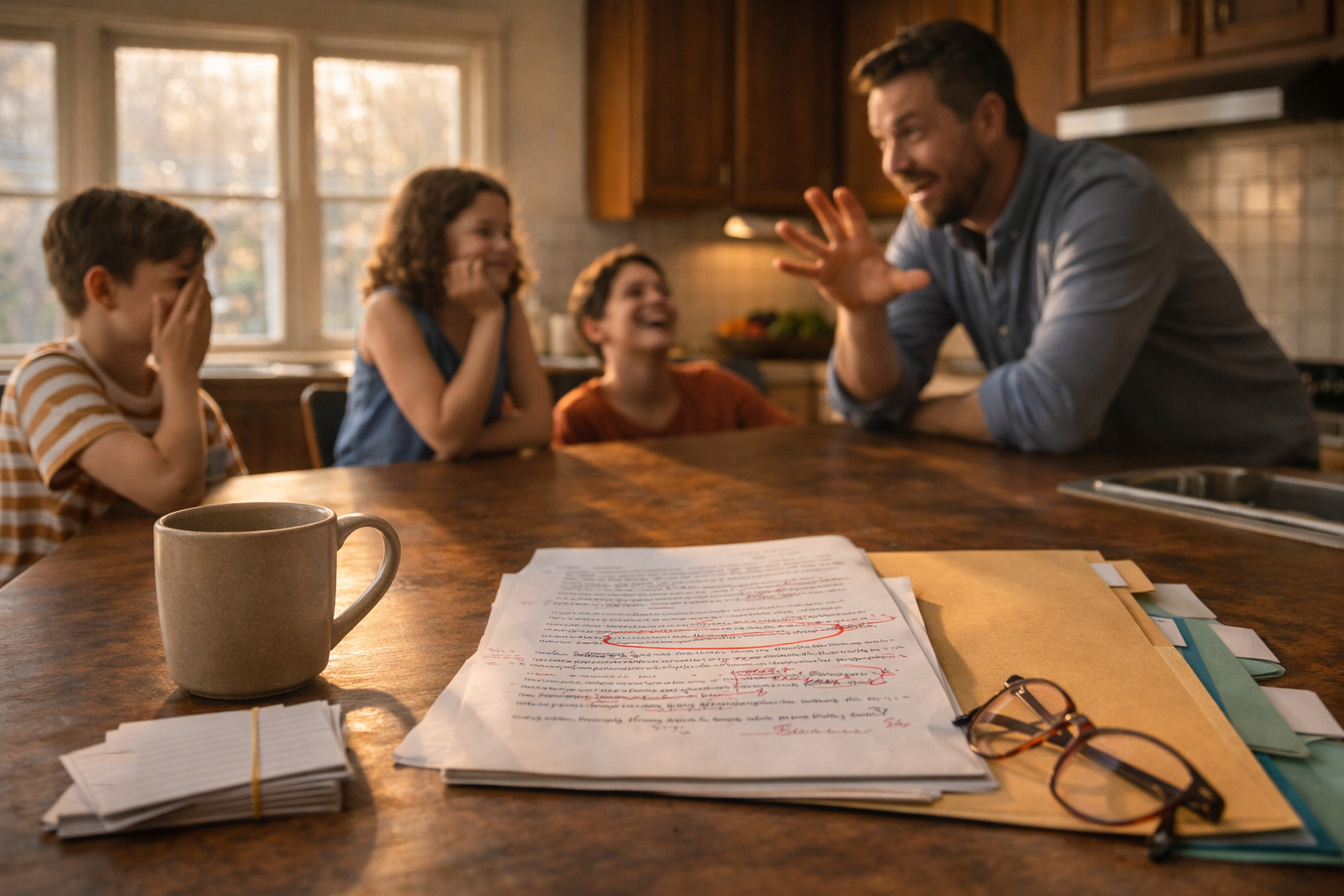
Small, groan-worthy, and often perfectly timed, dad jokes are a simple tool for easing tension and creating shared moments. They work because they lower expectations and reward listeners with a quick, friendly payoff that feels inclusive. For readers of Daily Dose Fun, they offer an easy way to add levity to otherwise ordinary days and to build light rituals with family and friends. This piece explores why these jokes land, how to deliver them well, and when it’s best to step back.
Why Dad Jokes Work
At their core, dad jokes rely on predictability mixed with a small twist. That combination produces a mild surprise rather than shock, which makes the response feel safe and communal rather than threatening. The humor often comes from language play—puns, double meanings, or intentional misdirection that invites a quick mental pivot. Because the setup is usually short, listeners can follow and respond together, creating a mini shared experience. Over time, repeating these lines can build a lighthearted vocabulary between people.
- Breaks the ice in awkward moments.
- Creates a shared ritual of groaning and laughing.
- Requires little preparation to perform.
Together these effects help small jokes act as social glue, smoothing awkward transitions and starting conversations. They encourage connection without demanding vulnerability and can signal warmth in low-pressure situations. That combination makes dad jokes especially useful in daily social settings.
How to Deliver Them Well
Delivery matters more than complexity; a simple line can feel charming or cringey depending on execution. A steady voice, a slight pause before the punchline, and a wink of self-awareness turn a simple line into a shared moment rather than a one-off quip. Timing keeps the joke from feeling forced, and brevity keeps attention so the payoff lands quickly. Reading the room helps—what works at the dinner table might not suit a formal gathering. Practicing a few favorites helps you deploy them naturally.
- Keep it short and simple.
- Match the tone to the situation.
- Own the groan and react playfully.
- Know when to stop repeating the same joke.
With mindful delivery, even the corniest line can land and prompt a real laugh. The goal is shared enjoyment, not perfect execution. And a well-timed pause often speaks louder than a clever line.
Keeping It Positive and Inclusive
Not every joke is appropriate for every setting, and sensitivity matters more than punchiness. Steering clear of mean-spirited or targeted humor keeps the atmosphere welcoming and reduces the chance of hurt. Choose content that invites a smile from most listeners, and adjust based on real-time reactions and feedback. Observational or language-based jokes usually translate across groups better than personal jabs. Taking care with content preserves the lighthearted spirit and ensures laughter includes everyone.
- Avoid jokes about personal attributes or sensitive topics.
- Favor observational or language-based humor.
Being considerate extends the reach of your jokes and keeps social energy positive. Small adjustments—changing wording or skipping a line—can make a big difference. This approach lets humor serve connection rather than division.
Conclusion
Dad jokes are an accessible, low-risk way to brighten small moments and signal good will. When delivered with timing, self-awareness, and kindness they foster connection and lift moods across everyday situations. Use them deliberately to build shared, lighthearted memories that last beyond a single punchline.