
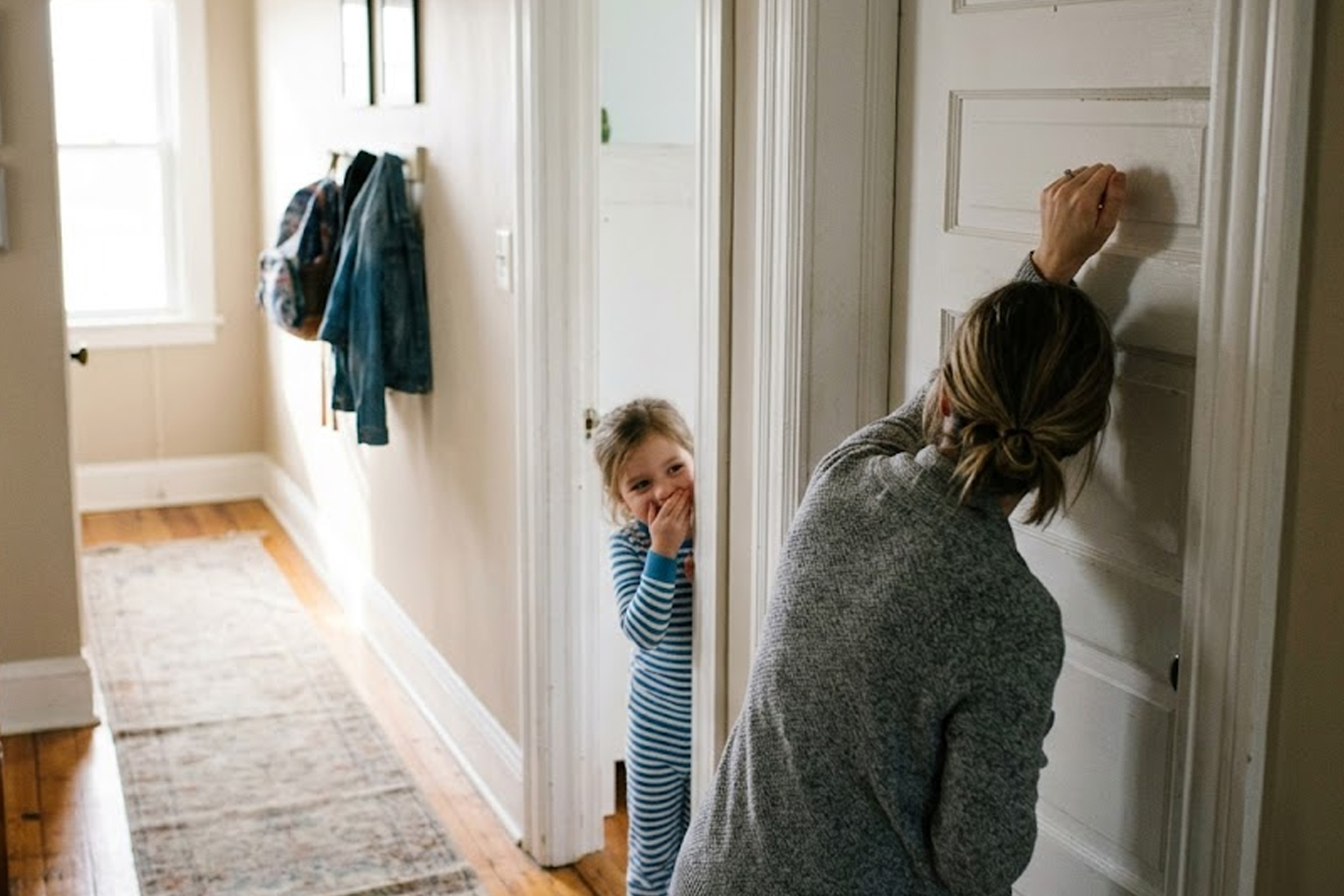
Knock knock jokes are a tiny, playful ritual that can break silence and spark laughter.
They fit into quick moments and invite participation from people of all ages.
In a few words they create a shared pattern: call, response, punchline.
That predictable rhythm makes them easy to learn and hard to forget.
This article explores why these jokes endure and how to use them thoughtfully.
Why simple jokes resonate
Simple jokes work because they combine expectation with surprise in a compact form. The call-and-response structure creates an immediate shared task, which reduces social friction and encourages engagement. Puns and wordplay reward attention rather than knowledge, so the payoff feels inclusive and light. As a result, even brief exchanges can strengthen a sense of connection without demanding emotional intensity.
Because they are low-stakes, knock knock jokes lower barriers to interaction and invite others to contribute. The pattern itself signals permission to play, which helps in mixed groups and across generations.
How to craft quick knock knock lines
Start with a familiar name or noun and look for a playful twist that turns into a punchline. Good lines rely on double meanings or sounds that set up an unexpected follow-through, so test the rhythm aloud. Consider your audience and choose references that feel fresh but accessible rather than obscure. Keep language simple and the reveal brief to preserve momentum and the element of surprise.
- Example: Knock knock. Who’s there? Lettuce. Lettuce who? Lettuce in, it’s chilly!
- Example: Knock knock. Who’s there? Doughnut. Doughnut who? Doughnut forget to smile today.
Short, well-timed examples work best; avoid overcomplicating the setup. A quick laugh is preferable to a groan that stalls the conversation.
Using jokes to connect in daily life
Knock knock jokes are versatile: they fit morning routines, short breaks, or a playful nudge in messages. In professional settings a light joke can ease tension before meetings or warm up a group, provided it’s appropriate and inclusive. With family and friends, these jokes can become a shared repertoire that carries memories and inside humor. They also offer a gentle way to check in with someone’s mood without heavy topics.
Use them as an opening, not a replacement for deeper conversation. When a joke lands, follow with a genuine question or comment to extend the connection.
Conclusion
Knock knock jokes are small tools for building convivial moments and shared smiles.
Their predictable form and playful surprise create easy entry points for interaction.
Try one today and notice how a brief exchange can brighten a routine moment.