
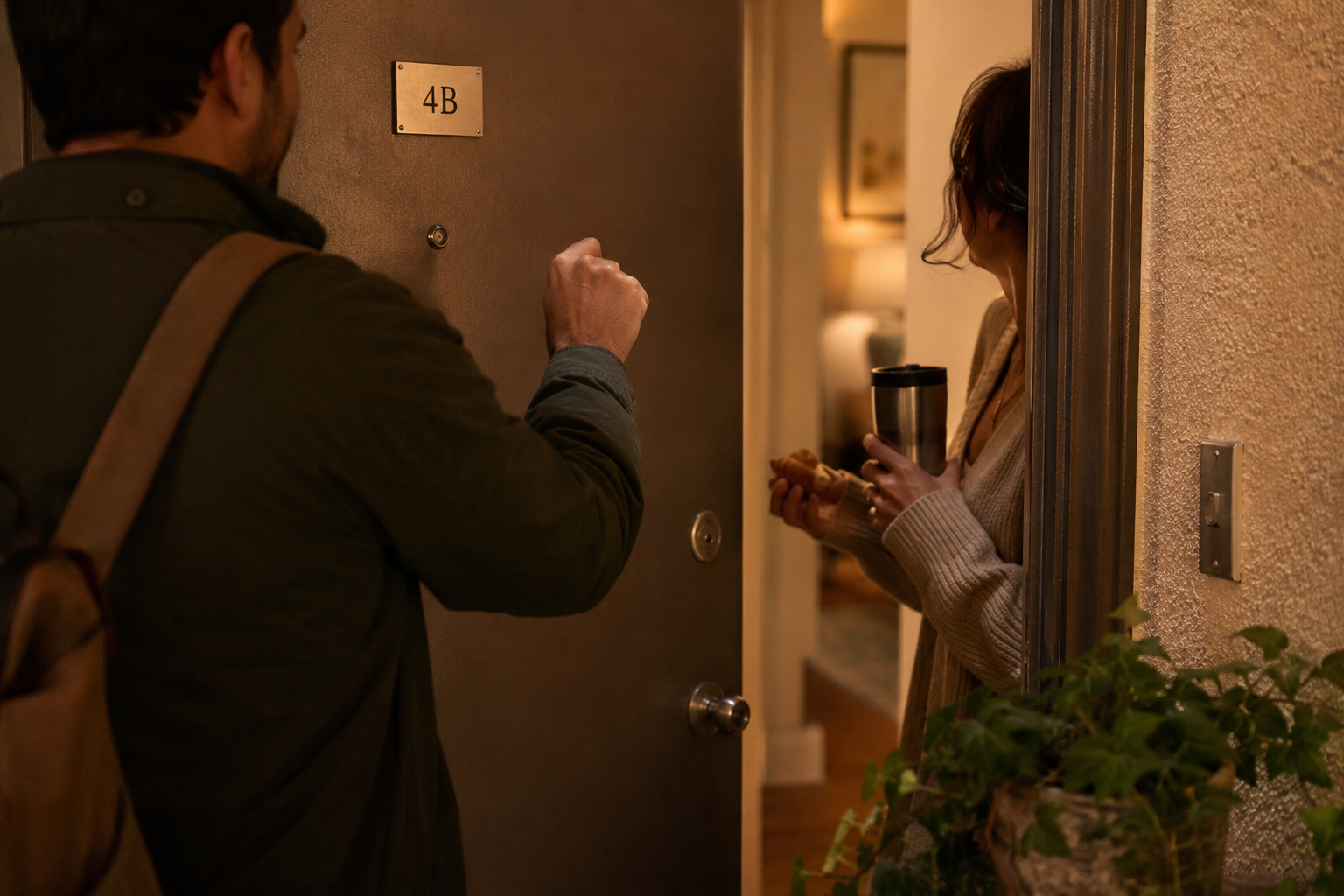
Knock-knock style jokes are short, familiar exchanges that invite a quick laugh and lower social guards.
When used thoughtfully they can turn routine interactions into friendly moments that ease tension.
This article outlines why these tiny door jokes matter, how to use them well, and a few adaptable examples.
Keep them light, inclusive, and timed to the situation to help the humor land.
Why Doorway Jokes Matter
Brief playful lines reduce friction and invite people to respond rather than retreat into formality.
They create a small shared experience that people remember, which strengthens rapport over time.
Because these jokes require minimal emotional effort, they are easy to mirror and build on.
When repeated thoughtfully they can change the tone of everyday spaces into more approachable ones.
The real value is in consistent, low-risk social exchanges that keep connections warm.
A few shared laughs can make future interactions smoother and more open.
How to Use Knock-Knock Lines Daily
Begin by picking appropriate moments such as casual arrivals, short breaks, or friendly group chats.
Match the line to the audience: playful with familiar friends, more restrained with colleagues.
Avoid anything that targets a person or might feel invasive; the goal is to include, not single out.
Practice timing and tone so the joke becomes a bridge to normal conversation rather than a distraction.
- Choose neutral, universally friendly subjects (animals, weather, simple puns).
- Use self-deprecating or situational humor to stay safe and relatable.
- Follow the laugh with a genuine question or comment to keep the exchange going.
These small shifts help transform a joke into a meaningful opener for conversation.
They allow relationships to develop without pressure or forced formality.
Quick Examples to Try
Here are a few clean, adaptable prompts to try in casual settings; test them and adapt to your tone.
They work well when people are relaxed and not preoccupied, and they can be delivered in person or by text.
Use them to practice timing and to discover which styles get the best responses from your circle.
- Knock, knock. Who’s there? Olive. Olive who? Olive you and hope your day is great!
- Knock, knock. Who’s there? Canoe. Canoe who? Canoe help me pick a coffee today?
- Knock, knock. Who’s there? Butter. Butter who? Butter let me in, I brought snacks!
Swap words and themes to keep lines fresh and personal to your group.
A few practiced prompts make playful openings feel natural rather than rehearsed.
Conclusion
Tiny door jokes are a low-effort way to increase warmth and approachability in daily interactions.
Used thoughtfully, they build rapport, lighten routines, and invite small shared moments of joy.
Start small, watch how people respond, and let the laughter open the next conversation.