
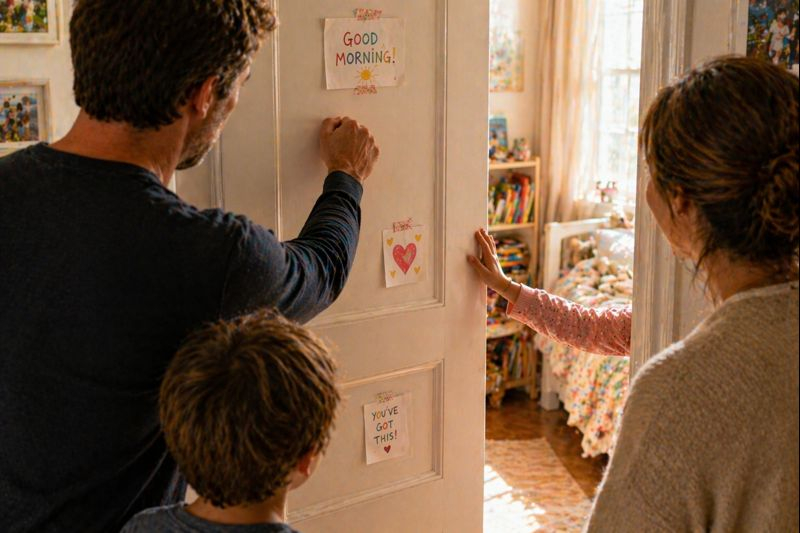
Knock knock jokes are compact tools for adding levity to ordinary moments.
They take seconds but can reset tone and invite attention in a playful way.
When used with awareness, these short exchanges transform routine interactions into tiny rituals.
This article outlines why they work and how to introduce them with care.
Why brief knock knock lines work
Short knock knock lines succeed because they lower the stakes of conversation immediately. A predictable call-and-response pattern creates a safe frame where surprise and humor can coexist. That structure also signals intent: you are offering something light, not a heavy topic, which helps people relax. Small jokes like this engage memory and rhythm, tapping basic social cues that encourage smiling and brief shared attention.
Because the format is familiar, responses are often quick and collaborative rather than critical. Used regularly, these tiny interactions become a known cue for play, which strengthens rapport over time.
How to introduce them naturally
Timing matters: choose moments when people already seem open or when atmosphere could benefit from a gentle lift. Keep the delivery casual and avoid forcing a joke into serious conversations or with people who seem distracted. Start with light, inclusive lines that invite a predictable response, and be ready to shift gears if the other person doesn’t engage. Read facial cues and tone so the exchange feels reciprocal rather than awkward.
Introduce a practice by trying one or two lines with close friends or colleagues who appreciate humor. Gradually broaden usage once you notice positive responses and familiarity builds.
Practical examples and gentle rules
Examples should be simple and friendly: play on words, kitchen‑table puns, or situational callbacks work well. Avoid anything that targets identity, politics, or personal circumstances. Keep content inclusive and brief so it doesn’t monopolize a moment. When in doubt, choose self‑deprecating or observational lines that make the joke about the format, not the listener.
- Use universally accessible lines that don’t rely on niche references.
- Respect silence — if someone doesn’t respond, let it pass gracefully.
- Match energy: louder rooms can handle bigger punchlines; quiet ones need softer nudges.
These rules help the ritual feel light and welcoming rather than intrusive. Over time, you can collect favorite lines and gently fold them into recurring interactions.
Conclusion
Short knock knock lines are small social rituals that can brighten everyday moments.
Used thoughtfully, they build brief connections and ease social friction without effort.
Practice restraint and inclusivity, and the jokes will amplify everyday goodwill.