
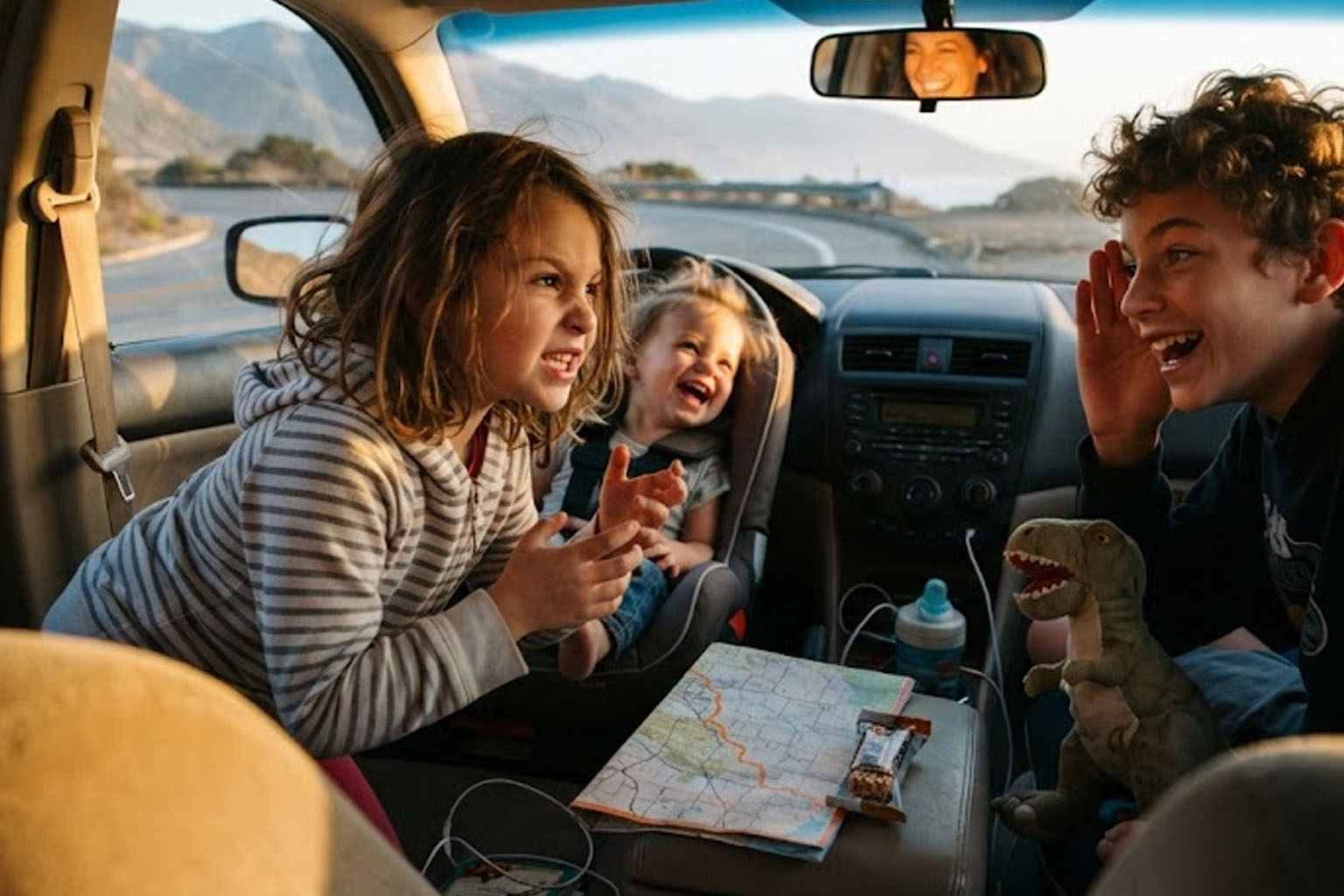
Knock‑knock jokes are small, fast punches of humor that fit easily into a conversation or a car ride. Their pattern is rigid but oddly freeing: setup, response, reveal, laugh. Children learn the rhythm quickly, and adults keep returning to the format because it’s predictable and brief. This piece looks at what makes them stick around and how to keep them fresh.
How the format does the heavy lifting
At their core, knock‑knock jokes rely on a tight back-and-forth—someone calls out the cue and the listener completes the ritual. The predictability lowers the listener’s guard, so a tiny twist becomes amplified and funnier. Many of the best examples lean on puns or a surprise in the name-response pair, turning ordinary words into a punchline. That economical structure makes these jokes portable: you can share one across a dinner table or in a quick text.
The format also invites participation, which boosts amusement. People like to be part of the setup because they anticipate the payoff and feel clever when it lands.
Timing, surprise, and who’s telling it
Delivery matters more than complexity for knock‑knock jokes. A slight pause before the punchline or an exaggerated response can double the effect, while rushing through the lines flattens it. Surprise usually comes from a word that has two meanings or from misdirecting the listener’s expectations. The teller’s personality colors the joke: a deadpan voice makes a cheesy pun feel sardonic, while a bubbly teller turns the same pun into lighthearted mischief.
Because these jokes are short, they’re excellent tools for breaking tension or changing the mood in a room. They ask almost nothing and often give a small, shared smile.
Tips for crafting a fresh knock‑knock
To keep knock‑knocks from feeling stale, writers and jokesters use a few tricks that are easy to learn. Swap in modern words or brand-new cultural references to update the vocabulary. Lean into absurd images rather than predictable puns when the audience is tired of wordplay. Play with expectations by answering a name with a phrase instead of a single word for an extra twist.
- Start with a simple name that has multiple meanings.
- Keep the pacing: short beats between lines often increase the laugh.
- Test jokes on kids; their reactions are an honest gauge of instant fun.
These methods let the classic form feel lively rather than recycled. A little creativity goes a long way.
Conclusion
Knock‑knock jokes endure because they are quick, participatory, and easy to adapt. With playful timing and a surprising twist, they still earn genuine laughs. They are small reminders that humor can be simple and immediate.