
One-liners are tiny engines of joy that cut through long conversations and light up feeds with a single line. They rely on timing, clarity, and a small surprise to land properly. Writing them well means keeping language tight and intent clear so the audience connects instantly. In this article you will find practical guidance to craft, refine, and practice short jokes for everyday sharing.
What Makes a Great One-Liner
A great one-liner feels inevitable after you hear it, as if the words had to fall that way. It strips an observation down to its essence and then twists perspective just enough to create a pleasing gap between expectation and outcome. Economy is essential: every word must carry weight and nothing should linger. Rhythm and sound often help a line stick, so pay attention to cadence and consonance in short jokes. Aim for clarity first, then polish the delivery details.
When you evaluate a line, ask whether it communicates instantly and whether a listener can repeat it easily. If it requires too much setup, trim or reframe the premise. Test it aloud to check how natural the phrasing feels.
Techniques to Sharpen Punchlines
Several reliable techniques make punchlines sharper: misdirection, contrast, understatement, and exaggeration. Misdirection sets up an expected conclusion and then delivers a different, often smaller or twisty ending that surprises. Contrast pairs two ideas that highlight each other’s absurdity. Understatement can be as funny as exaggeration when it downplays a dramatic situation. Combine these tools with precise wording to reduce ambiguity and heighten the comedic effect.
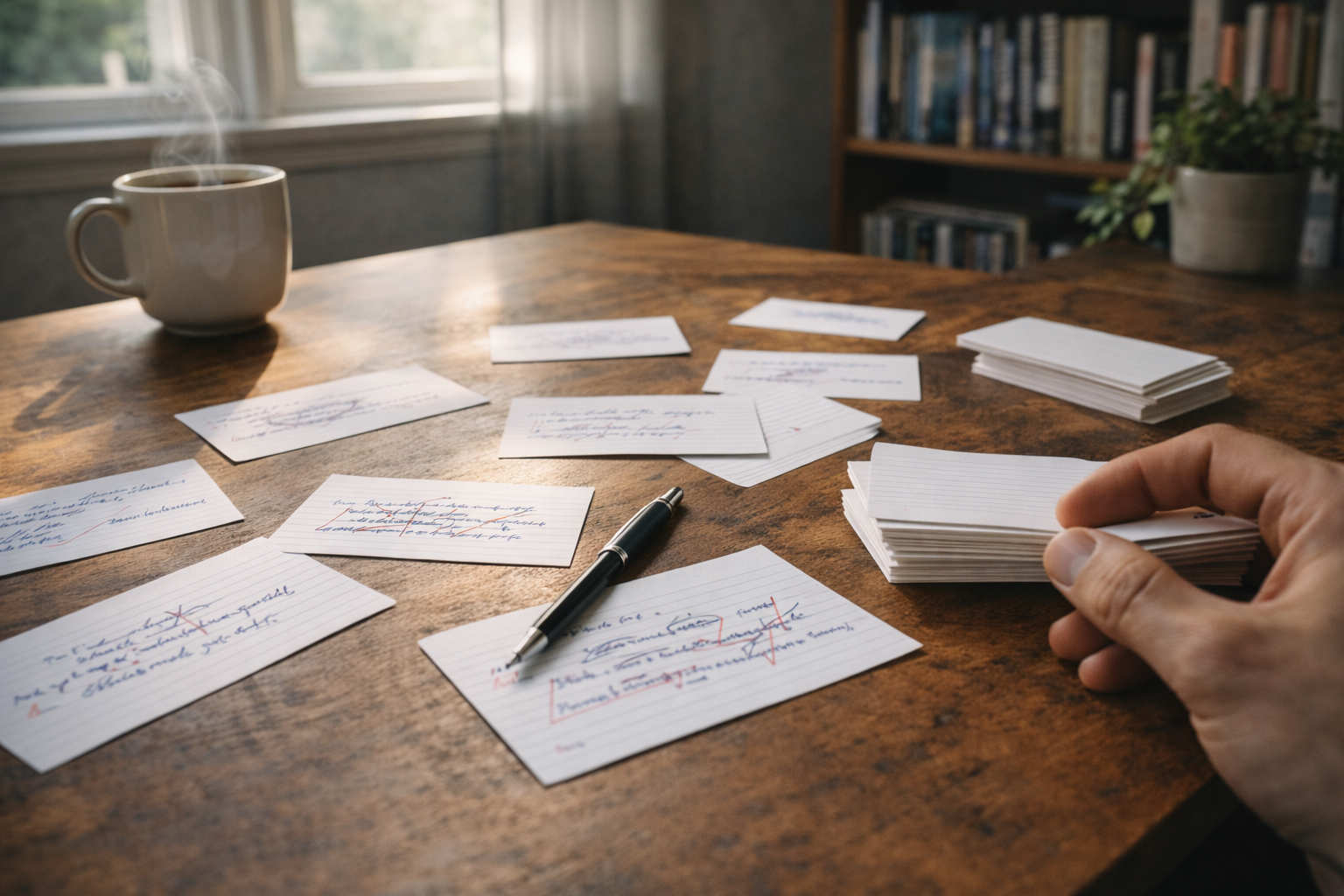
Experiment by rewriting the same joke in several styles to see which technique brings out the funniest angle. Keep versions short so you can compare them quickly.
Daily Habits to Generate Short Jokes
Building a habit of noticing odd details is the best daily practice for one-liners. Keep a running list of amusing observations, awkward truths, and language quirks you encounter. Dedicate a few minutes each day to condense one idea into a single sentence, testing different endings and word orders. Regular, short practice helps you recognize patterns that lead to sharper lines and makes jokes come more naturally over time.
Share your best one-liners with friends or a small audience to get quick feedback. Use reactions to refine timing and phrasing until the line consistently lands.
Conclusion
Short jokes thrive on clarity, rhythm, and a well-placed twist. Practice compressing thoughts and try multiple techniques to discover what works for you. With consistent spotting and revision, you can make one-liners a reliable part of your daily communication.