
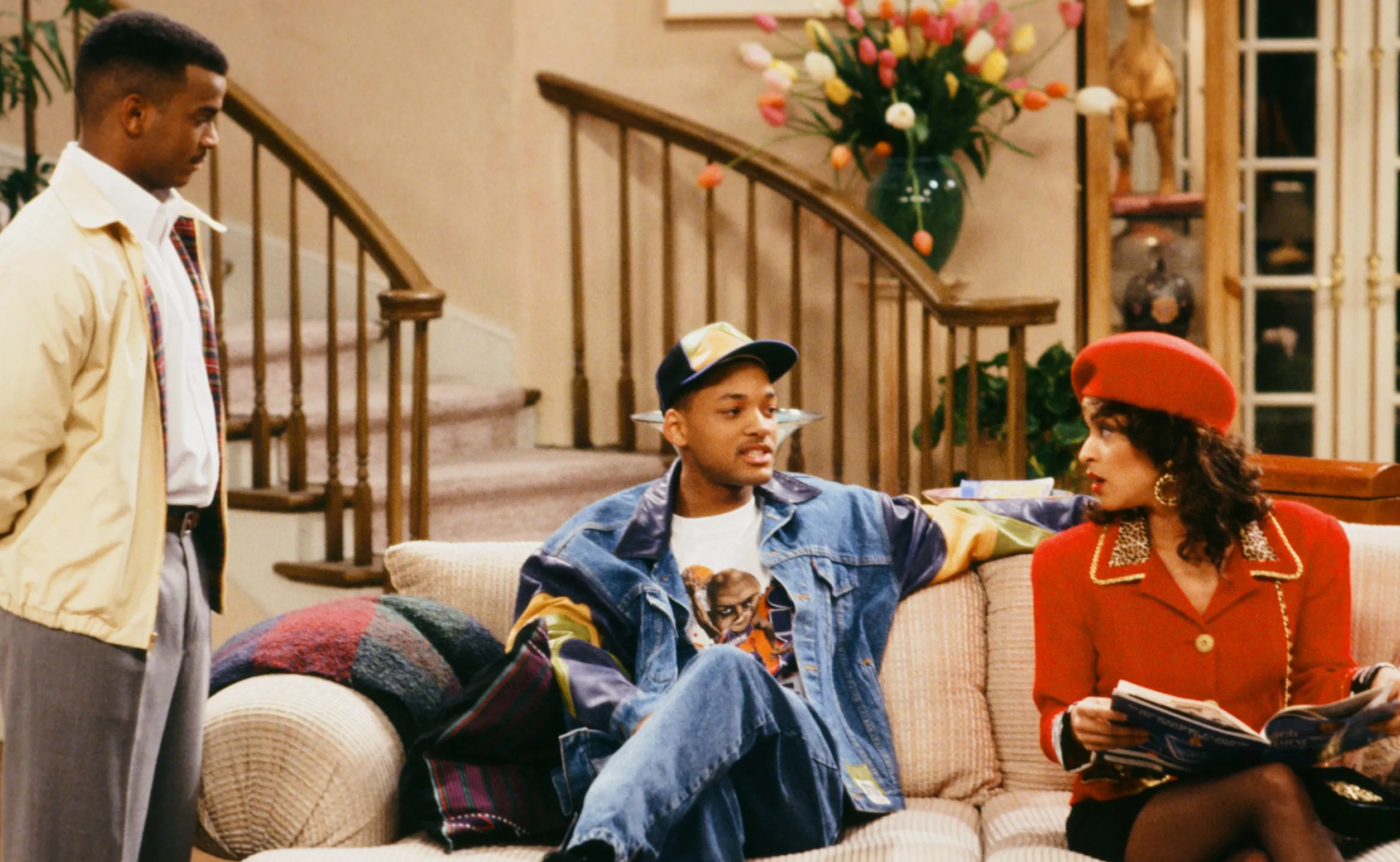
Puns have a unique way of slipping into pop culture and staying there, often becoming more memorable than the characters or moments that introduced them. These playful twists of language appear in movies, television, music, and advertising, adding humor that feels clever without being complicated. What makes famous puns endure is their accessibility—anyone can get the joke, even years later. They often become cultural shorthand, instantly evoking a scene, a character, or an era. In pop culture, puns don’t just entertain; they help define identity and tone.
Puns That Defined Iconic Characters
Many beloved characters are remembered for their wordplay as much as their actions. Witty heroes, sarcastic sidekicks, and lighthearted villains often rely on puns to establish personality. These jokes humanize characters, making them feel approachable and memorable. A well-placed pun can break tension, reinforce confidence, or signal humor without slowing the story. Over time, these lines become inseparable from the characters who delivered them.
Film and Television’s Love Affair With Wordplay
Movies and TV shows frequently use puns to appeal to broad audiences. Animated films are especially rich with layered puns that work for both kids and adults, rewarding repeat viewing. Sitcoms and comedies use recurring pun-based jokes as running gags, creating familiarity and anticipation. When audiences quote these lines years later, it proves how deeply wordplay embeds itself in collective memory.
Music, Branding, and Everyday Culture
Puns also thrive outside scripted storytelling. Song titles, album names, and lyrics often rely on wordplay to stand out and feel playful. In advertising, puns help brands appear clever, friendly, and memorable in just a few words. These short linguistic twists are easy to recall, making them powerful tools for cultural visibility. Over time, they blend seamlessly into everyday language.
Why Pop Culture Puns Last
The staying power of pop culture puns comes from shared recognition. Understanding a pun feels like being “in on the joke,” creating instant connection among fans. Because they’re lighthearted and non-threatening, puns age better than humor rooted in trends or shock value. Their simplicity allows them to cross generations, remaining funny long after their original release.
Conclusion
Famous puns endure because they combine clever language with shared cultural moments. They make characters iconic, stories memorable, and brands recognizable. In pop culture, a good pun doesn’t just make people laugh—it becomes part of how we remember and connect with the entertainment we love.