
Puns travel differently on a screen than they do in person. Without vocal tone or a knowing smile, a word twist can land as clever or as confusing, depending on how it’s written. Small choices — punctuation, spacing, or an emoji — can steer a reader toward the intended meaning. This piece offers practical ways to sharpen your puns for short-form digital conversation and social feeds.
Ready-to-use tweaks can help you get the laugh without the groan. The goal is clarity with personality, not forced cleverness.
Why puns behave differently in text
Text strips away many of the cues listeners rely on: timing, facial expression, and vocal emphasis. That gap opens the door to ambiguity, where a joke might read as a typo or a serious remark. Readers scan quickly, so a clever twist must be recognizably playful within the first glance. If the double meaning requires too much thought, you risk losing rather than earning the smile.
Knowing this helps you design the pun so the playful track is obvious. Aim for puns that reward quick decoding rather than puzzle-solving.
How to write clearer puns for screens
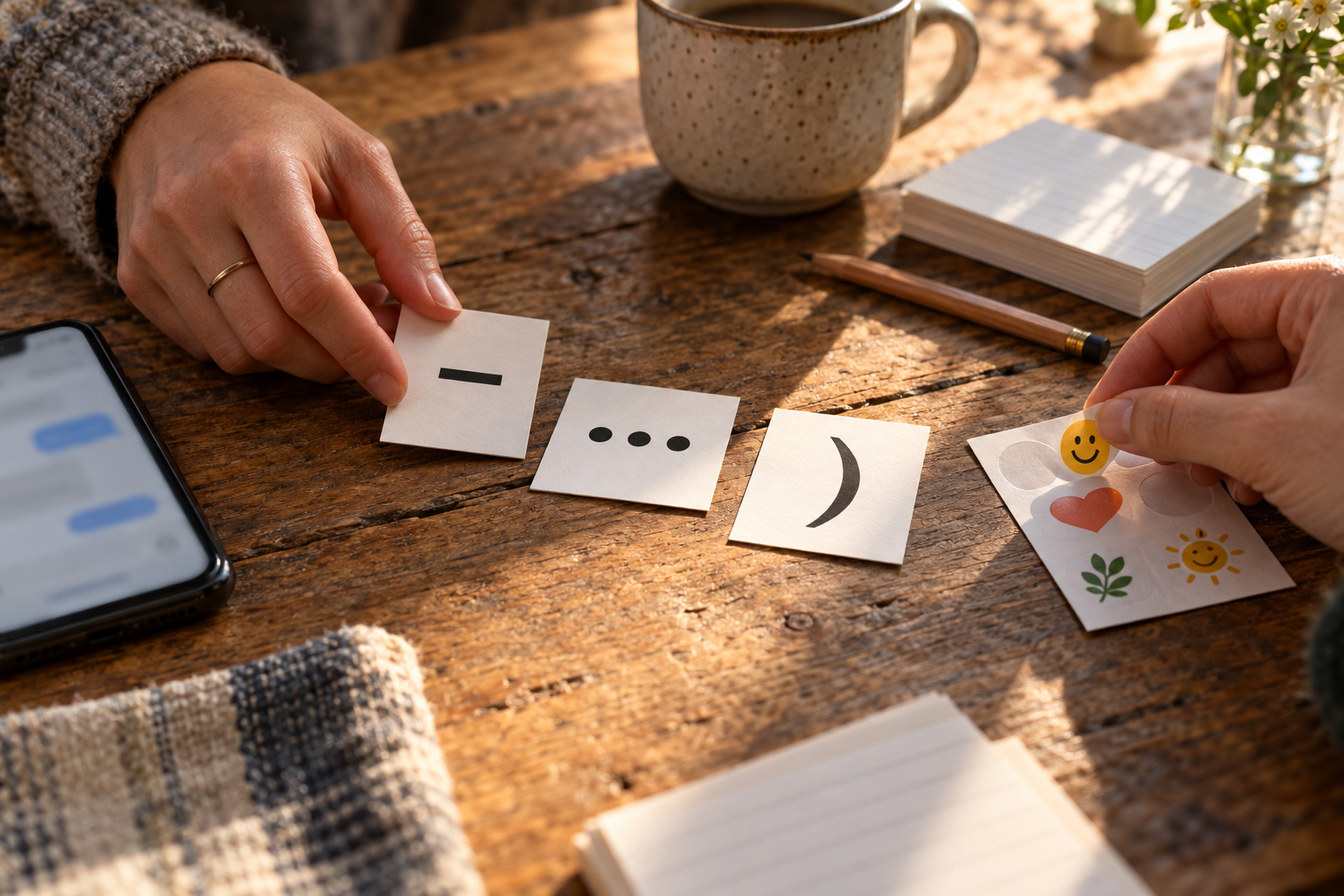
Choose words that carry both meanings in the same brief phrase, and lean on visual signals to cue humor. Punctuation — a dash, ellipsis, or parentheses — can separate the setup from the twist and make the turn easier to spot. Emphasis through capitalization, italics, or an emoji can mimic vocal cues and show you mean it jokingly. Keep the structure tight: shorter setups with immediate payoff perform best in feeds and chats.
- Use an emoji sparingly to signal tone without replacing the punchline.
- Break the line before the twist when possible so the reader pauses at the right moment.
- Avoid overcomplicated wordplay that demands rereading.
Test short versions of a pun before posting. If the first read-through lands the joke, you’re likely good to go.
When to skip the pun
Puns are playful, but not every message is the right place for a joke. If the subject is sensitive, time-pressured, or professional, a pun can seem flippant or derail a point. Also consider the recipient: some people relish wordplay, others find it tiresome. A quick mental check about tone and audience prevents awkward reactions.
When in doubt, keep the pun private or save it for someone you know will appreciate the twist. A well-timed pun should lift the exchange, not complicate it.
Conclusion
Short, well-signaled puns travel well on screens when you polish the cues that replace vocal tone. Use punctuation, spacing, and small visual markers to guide readers to the playful meaning. When you respect context and audience, your puns can brighten texts and posts without getting lost in translation.