
Puns are a compact form of humor that can shift the tone of a conversation almost instantly.
They work because language carries multiple meanings and our brains enjoy resolving small surprises.
Used thoughtfully, a brief pun can ease tension, invite a smile, or make an idea more memorable.
This article explores why puns succeed and how to use them to brighten everyday interactions.
Why Puns Work in Conversation
Puns rely on ambiguity and associative thinking, prompting listeners to connect different meanings quickly. This mental flip produces a minor cognitive surprise followed by amusement, which is why puns often feel rewarding. Socially, a well-placed pun signals playfulness and creativity without requiring sustained effort, making them ideal for lightening moods. They also help information stick by linking concepts through wordplay.
Timing and Tone for Maximum Effect
Delivering a pun at the right moment matters more than crafting the perfect line. A pun lands best when the atmosphere is relaxed and the audience is receptive; forced puns during serious moments can backfire. Vary your tone to fit the setting—gentle and self-aware puns work well in professional contexts while more playful ones suit friends. Read reactions and be ready to switch gears if the audience doesn’t respond as expected.
Simple Techniques to Craft Better Puns
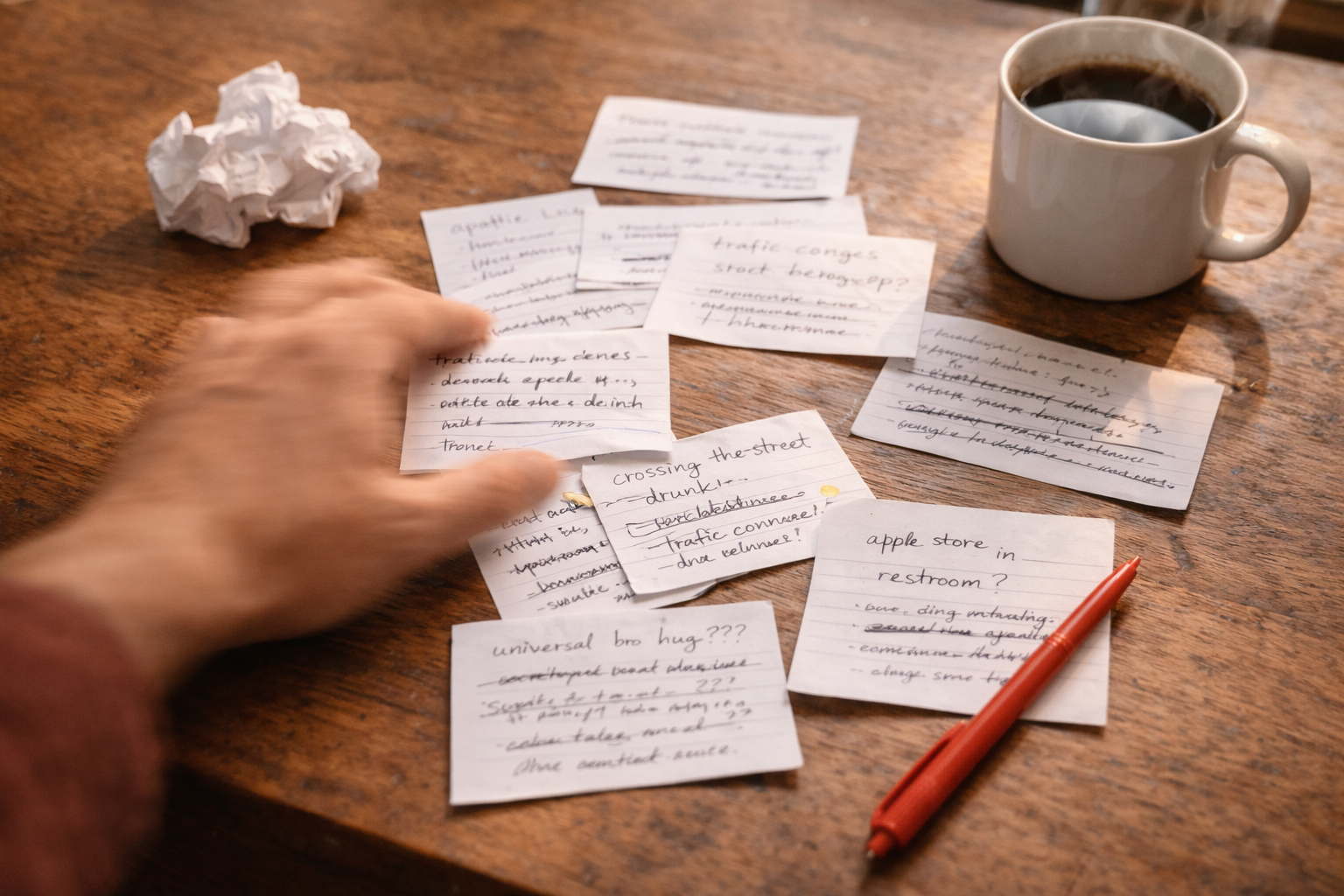
Start by listening for double meanings, homophones, or words with multiple functions in a sentence. Look for opportunities where a familiar phrase can be twisted without confusing the listener. Keep puns concise; brevity often enhances the surprise and the humor. Practice aloud to see how rhythm and pause affect delivery.
– Swap a single word in a common phrase to create a surprising twist.
– Use puns that relate directly to the topic so they feel relevant rather than random.
After practicing these techniques, you’ll notice which patterns suit your voice. Puns that align with your natural speaking style come across as effortless and enjoyable.
Using Puns to Build Connections
A thoughtful pun can act as a social bridge, easing strangers into conversation or adding warmth among colleagues. Because they signal creativity and a lighthearted mindset, puns can reduce social distance when used sparingly and sincerely. Avoid overusing them; frequent puns can lessen their impact and may be perceived as trying too hard. Aim for moments where a quick, clever twist adds clarity or levity without derailing the topic.
Conclusion
Puns are a small, versatile tool for making conversation more engaging and memorable.
When timed well and delivered with modesty, they foster connection and brighten routine exchanges.
Practice simple techniques, listen to your audience, and let wordplay arise naturally.