
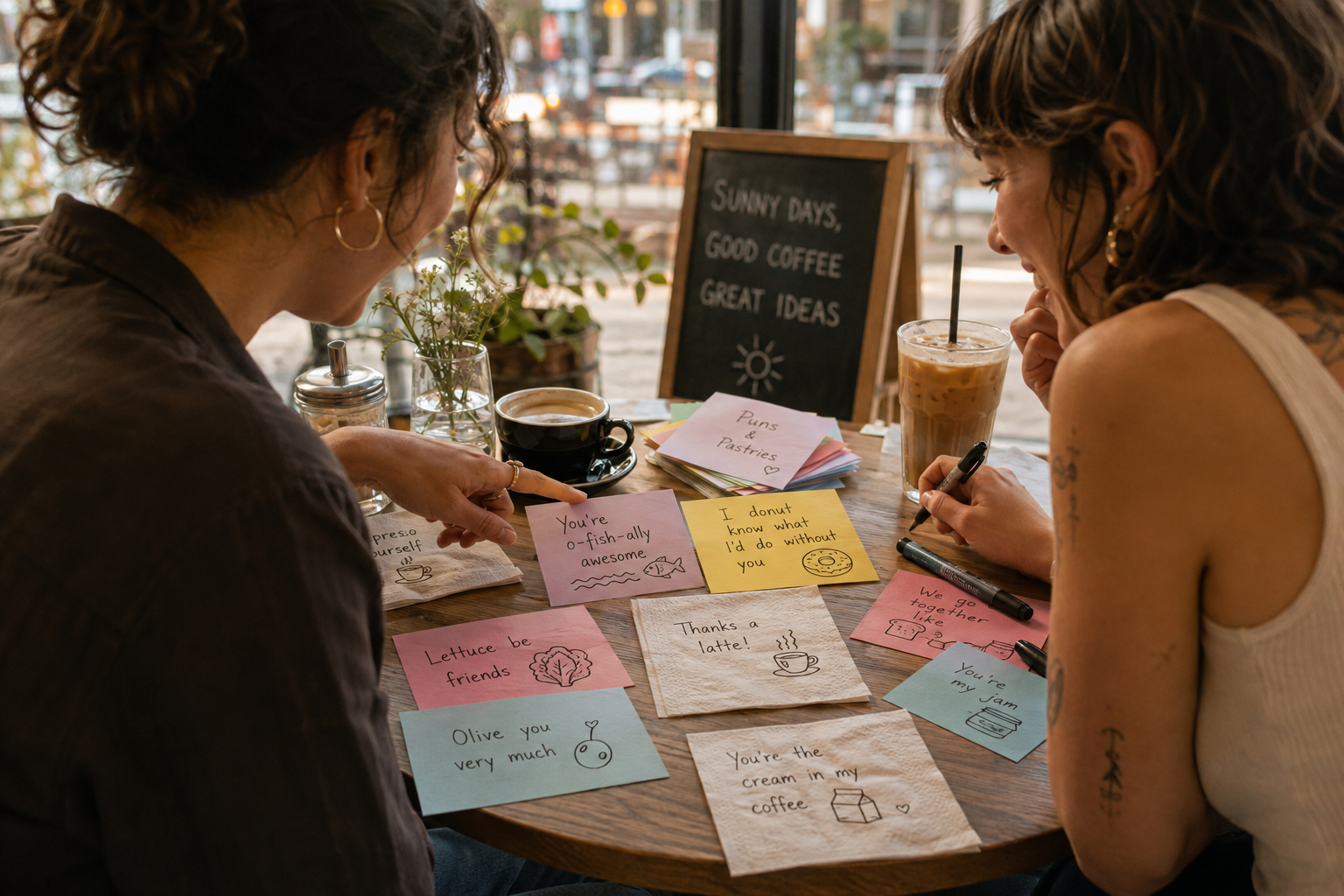
Puns are compact bursts of language that reward attention and spark a grin. They blend sound, meaning, and surprise into a single quick exchange that can soften a tense moment. When used well, a pun can make writing more memorable and conversations more engaging. This article explores how to craft puns that feel natural and land with warmth.
Good punning is less about cleverness alone and more about clarity and connection. With small adjustments to timing and phrasing, anyone can add playful wordplay to daily interactions. Below are practical ideas to help you sharpen that skill without forcing the humor.
The mechanics of a good pun
A solid pun rests on a clear double meaning or a sound-alike that the audience can process quickly. Linguistic economy helps: shorter puns usually land better because they require less effort to decode. Context matters, so anchor your wordplay to the subject at hand to avoid confusion. The best puns reward that moment of realization with a tiny cognitive payoff that feels satisfying rather than groan-inducing.
Keep your language simple and your target audience in mind. Avoid obscure references that create friction, and aim for relatability. A well-chosen pun acts like a conversational lubricant, easing rapport rather than derailing it.
Timing and tone
Timing shapes how a pun is received: a quick, light-hearted delivery suits casual settings, while a gentle, understated line works in more formal contexts. Tone should be inclusive rather than sarcastic; puns that tease or single someone out risk creating awkwardness. Pay attention to pauses and facial cues if you’re speaking, and in writing, let sentence rhythm cue the surprise. Pause before the punchline to allow listeners a moment to anticipate or decode.
When in doubt, keep it brief and kind. A soft pun delivered with a smile often lands better than an elaborate contrivance that feels forced.
Practicing fresh puns
Developing pun skill is a matter of noticing word relationships and experimenting with alternatives. Try playing with homophones, alternate meanings, or compound words in short writing exercises. Read other examples to see patterns, then practice by turning headlines or everyday phrases into playful twists. Recording your attempts helps you learn which constructions feel natural and which fall flat.
Build a small personal list of go-to structures—like homophones or double-duty verbs—and adapt them to different contexts. Regular practice reduces the effort it takes to produce a quick, friendly pun when the moment arises.
Conclusion
Puns are a low-cost way to add warmth and wit to speech and writing.
When crafted with clarity, timing, and kindness, they boost connection.
Practice noticing language play to make puns feel natural and enjoyable.