
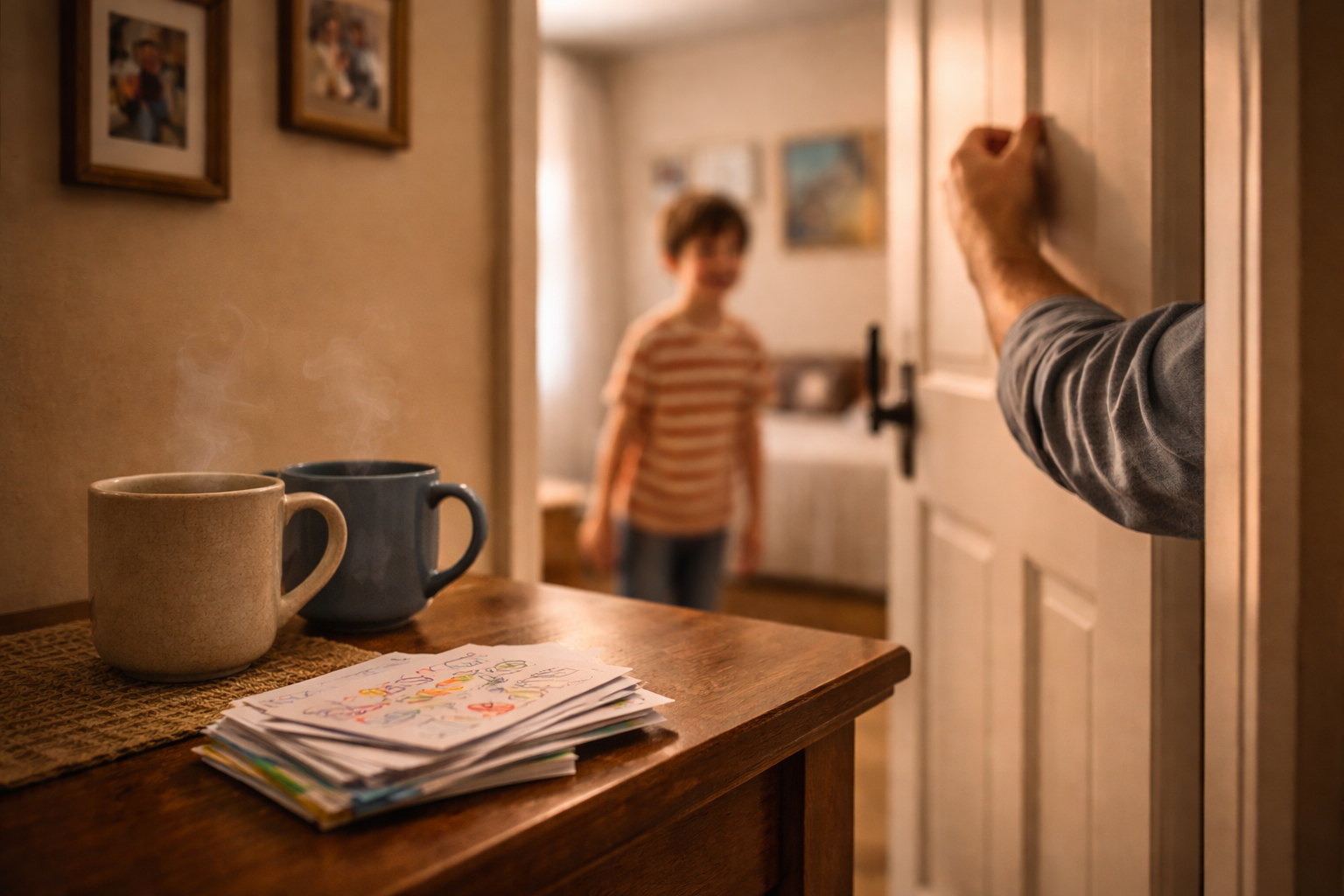
Knock knock jokes are small, portable bits of humor that fit easily into busy days. Their simple call-and-response format invites participation and often breaks tension without effort. Used thoughtfully, they can brighten routines, lift moods, and encourage conversation among different ages. This article explores practical ways to use knock knock jokes as a light daily ritual. You’ll find practical tips for sharing, tailoring, and creating lines that fit your routine.
Why Knock Knock Jokes Resonate
These jokes work because they rely on timing, surprise, and a predictable structure. The familiar rhythm makes them easy to remember, and the playful repetition appeals to social bonding. Even when the humor is corny, the exchange itself creates a moment of connection. People welcome short, shared laughs in contexts where longer comedy might feel out of place.
That accessibility is why knock knock jokes are versatile for home, work, or casual gatherings. They require minimal setup but yield a quick emotional boost. When shared sincerely, even small jokes can change the tone of a conversation.
Ways to Slip Them Into Your Day
Integrating knock knock jokes into daily life takes little effort and can be adjusted to tone and audience. Use them as quick icebreakers at the start of meetings, as playful transitions between tasks, or as a family ritual before dinner. The key is consistency rather than quantity. They also serve as brief social cues that can signal friendliness or ease tension.
- Morning message: leave a joke on a shared note or chat.
- Commute warm-up: share one with a colleague to ease into the day.
- Study break: use a quick joke to reset focus and reduce stress.
- Bedtime laugh: a short exchange to end the day on a light note.
Rotate favorites to keep the exchange fresh and inclusive. Adjust jokes to match the setting so the humor feels natural.
How to Make Your Own Knock Knock Lines
Creating original knock knock jokes encourages creativity and personal relevance. Start with everyday objects, names, or puns that relate to recent experiences or inside references. Simplicity helps—the clearer the setup, the quicker the payoff. Experiment with timing and wording to discover what lands best with different groups.
Practice a few in private and test them with receptive friends before using them widely. Personal touches make the exchange more meaningful than recycled lines.
Conclusion
Incorporating knock knock jokes into routines offers a low-cost way to boost mood and sociability. Their brevity and ritualistic format make them ideal for busy lives and mixed-age groups. Small, consistent moments of shared laughter can accumulate into a noticeably brighter atmosphere.