
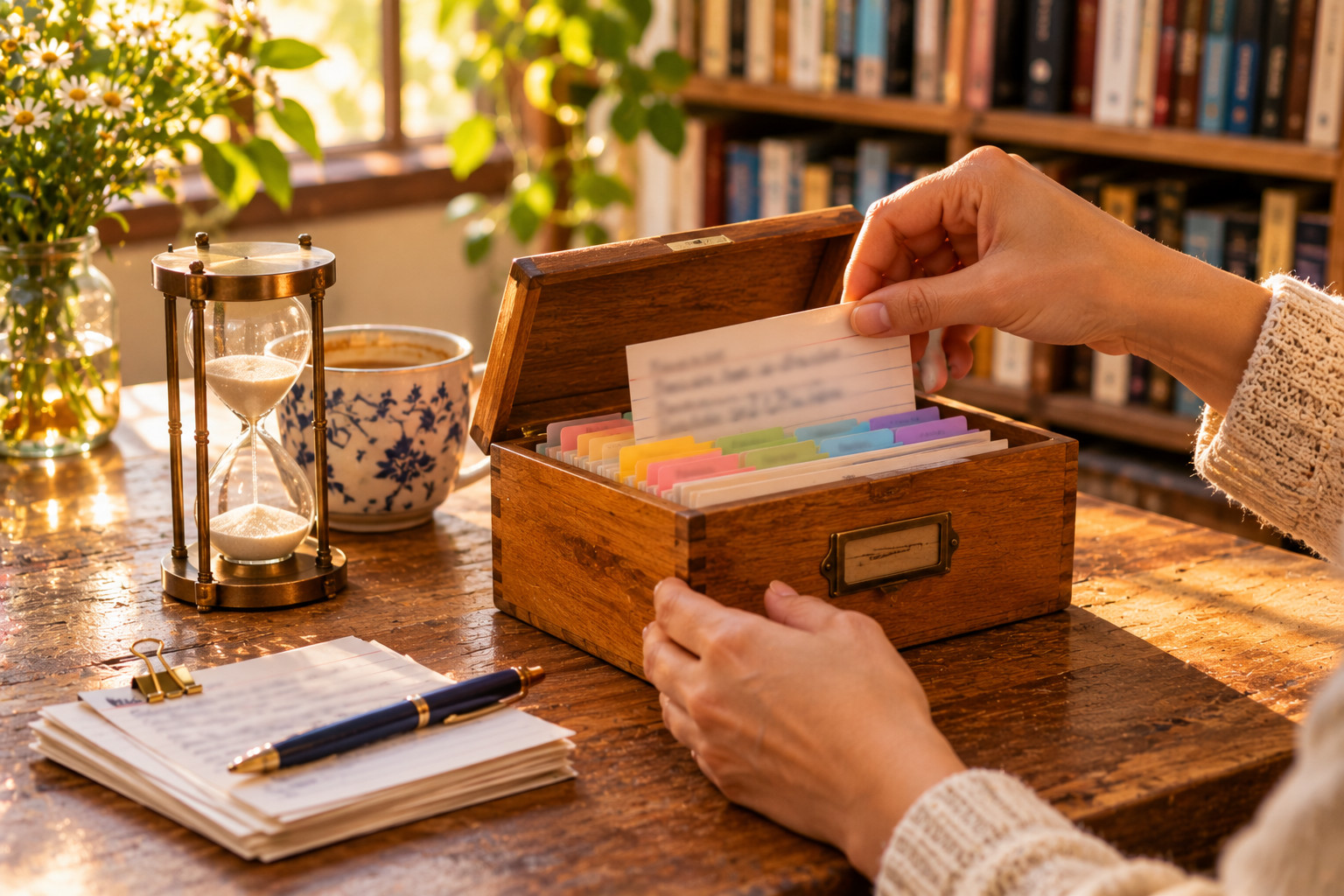
You don’t need an hour or a stage to collect jokes that land. Small, repeatable moves — a quick note, a two-minute riff, a tiny edit — are often where reliable punchlines begin. This article offers a short, practical routine to notice odd moments, capture them without fuss, and shape them into compact jokes. Treat it like a hobby that fits into pockets and coffee breaks, not another item on your to-do list.
Carry one practical capture tool
Pick a single way to record what catches your eye, and make it ridiculously simple. A notes app with one folder, a pocket index card, or a voice memo labeled “jokes” removes decision friction. The goal is to move from noticing to saving in under fifteen seconds so the thought survives your next errand.
Keep entries short: one line of setup, one line of the odd detail, one potential punch. That minimal structure makes later editing easier and stops your capture file from becoming a cluttered jumble.
Distill quickly into a setup and twist
When you revisit a note, force it into two parts: what the audience needs to know, and where the expectation breaks. Ask yourself what the obvious ending would be, then write the opposite, an exaggeration, or an absurd literalization. Many small jokes live in that pivot between normal and wrong.
Trim words ruthlessly. If a sentence survives the cut of five words, it probably has a clean rhythm on stage or in a short video. Short setups set up sharper punches.
Practice in short, playful bursts
Set aside five minutes three times a week to turn saved notes into punchlines aloud. Speak the line into your phone, time it, try three alternate endings, and pick the one that gets the biggest smirk from you. Rapid repetition trains your ear for rhythm and reveals where a single extra word kills a laugh.
Keep these sessions low-stakes: nobody has to perform them publicly. The point is to build a habit where shaping jokes feels normal, not intimidating.
Organize a tiny laugh library
Sort material into a few simple tags: observation, awkward, wordplay, and one for ideas that might become sketches. A searchable small archive makes it easy to combine two unrelated notes into a surprising angle. Over time you’ll see which tags produce the quickest laughs for your voice.
Every month, scan for three notes you can polish into final one-liners. Repeating that small cycle keeps the library fresh without overwhelming you.
Conclusion
Build a capture habit that fits your day and keeps friction low. Spend tiny, regular amounts of time shaping notes into lean setups and unexpected twists. Over weeks, those few seconds add up into a steady supply of short, dependable jokes.