
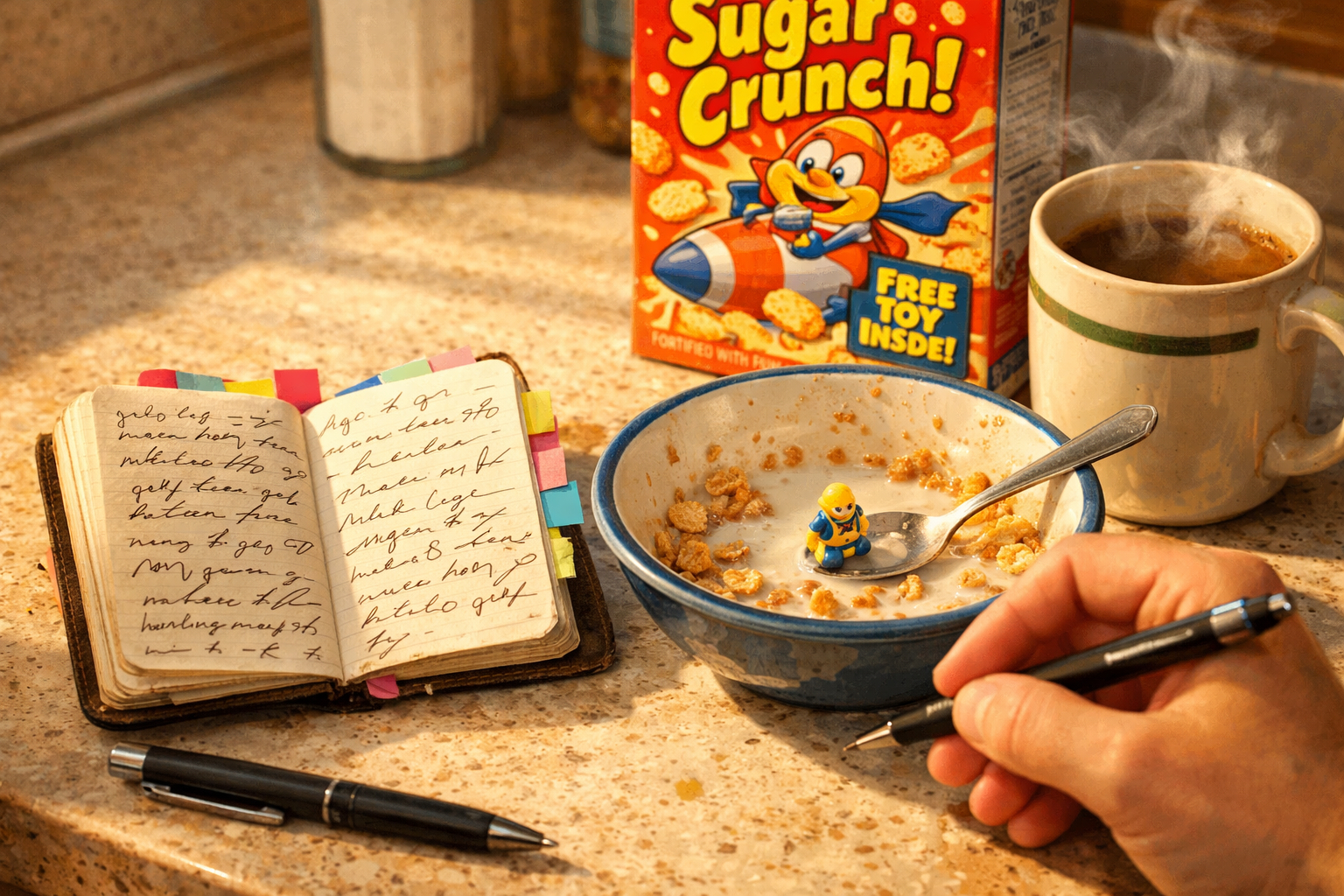
The small rhythms of a day often hide tiny comic beats.
We pass them without always taking note, but those moments are rich material.
Not every laugh needs a punchline; sometimes the absurd is whispered, not shouted.
Learning to notice those instances sharpens observation and lightens mood.
Here are ways to spot, shape, and share these quietly funny moments.
Spotting the tiny oddities
Begin by slowing down your internal narration and paying attention to small mismatches between expectation and reality. A cereal box that promises something different than what appears, or a phrase repeated to the point of absurdity, can be the seed of a joke. Keep a short running note of these items; the act of recording often clarifies why something struck you as odd.
– Carry a tiny notebook or a notes app and jot brief descriptions.
– Use single-word tags to capture tone like “awkward,” “gentle,” or “surprising.”
Capture details rather than explanations. Over time, patterns emerge that show what reliably amuses people.
Framing the observation
Once you have a candidate moment, consider the perspective you want to adopt. A misdirection approach works when the setup suggests a normal outcome and your line diverges, while a deadpan framing highlights the absurdity without force. Think about rhythm and brevity: trimming extra adjectives often increases punch.
– Try a couple of versions aloud to test timing and naturalness.
– Notice which wording gets an immediate smile versus a delayed chuckle.
Refine the language until the image is vivid and the contrast between expectation and reality is crisp. Make minor edits until the phrasing feels natural.
Turning notice into shareable lines
Not every observation needs to be a long story; many thrive as a one-liner or a short anecdote that ends with a tilt. Shareable lines are specific, relatable, and easily repeatable. Practice compressing the idea without losing the detail that made it funny in the first place. A quick rehearsal with friends or a casual social post can show whether the line lands beyond your own bubble.
Using restraint and context
Humor that relies on small domestic or public moments benefits from restraint: overselling often deflates the subtle joke. Context matters; tailor delivery to the audience and setting so that the observation feels natural rather than forced. Respect privacy and avoid targeting individuals in a way that could embarrass them. When in doubt, favor universality over mean-spirited specificity, and let restraint be your stage partner.
Conclusion
Quiet, observational humor is an everyday craft that rewards attention and practice.
By cataloging small oddities and refining delivery, you can turn brief moments into tidy, shareable laughs.
Start small, stay curious, and enjoy the gentle art of noticing.