
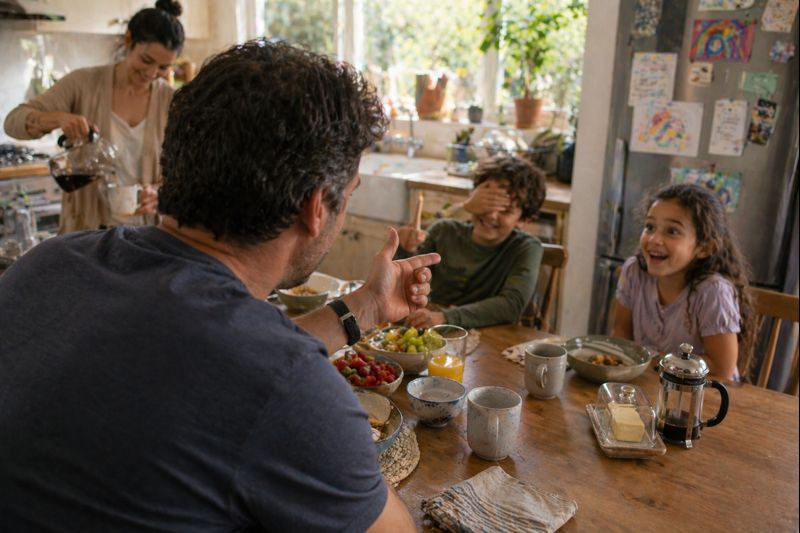
Dad jokes are a small, intentional way to invite levity into ordinary days. They rely on simple wordplay and gentle surprise to prompt quick smiles and shared reactions. When used thoughtfully, these one-liners can ease tension and create brief moments of connection among family members. Practiced with warmth and timing, they become a reliable tool for lightening routines.
Why simple jokes land so well
Simple jokes work because they are easy to understand and low risk for everyone involved. Their predictability makes responses accessible, and the shared groan becomes part of the social ritual that bonds people together. Short, pun-based lines require little setup and interrupt patterns long enough to shift mood without derailing plans. Over time, these exchanges build a familiar atmosphere where humor is expected and welcomed.
Using jokes repeatedly creates a language of its own in the household. That familiarity turns a single line into a callback that multiplies the laugh the next time. It is the repetition and recognition that often matter more than the joke itself.
Timing and delivery tips
Delivery matters as much as content: a wink, a pause, or an exaggerated face can turn a simple line into a memorable moment. Watch the room and choose moments when people are receptive, like during breakfast or an evening wind-down, rather than high-stress moments. Keep the tone light and self-aware so the joke reads as inclusive rather than intrusive. Adjust the frequency so the humor feels like a pleasant rhythm instead of background noise.
Reading the audience helps maintain goodwill and prevents humor from becoming stale. When in doubt, a brief, sincere comment following the line can reinforce that the goal is connection, not performance.
Making dad jokes a helpful daily ritual
Turn short jokes into a ritual by pairing them with predictable cues, such as a morning routine or a farewell line at the door. Ritualizing the joke creates anticipation and signals that this moment belongs to lighthearted exchange. Encourage others to contribute their own one-liners so the practice becomes a collaborative habit rather than a solo routine. Over time, the ritual can help anchor transitions and mark ordinary moments with warmth.
Simple rules keep the practice positive: be kind, avoid sensitive topics, and welcome playful participation. When everyone is invited, the habit strengthens social ties and keeps daily life a little brighter.
Conclusion
Short, playful one-liners are a low-cost way to add warmth to everyday life.
Used thoughtfully, they build familiarity and create tiny moments of shared joy.
When practiced with respect, these jokes become a gentle habit that strengthens family bonds.