
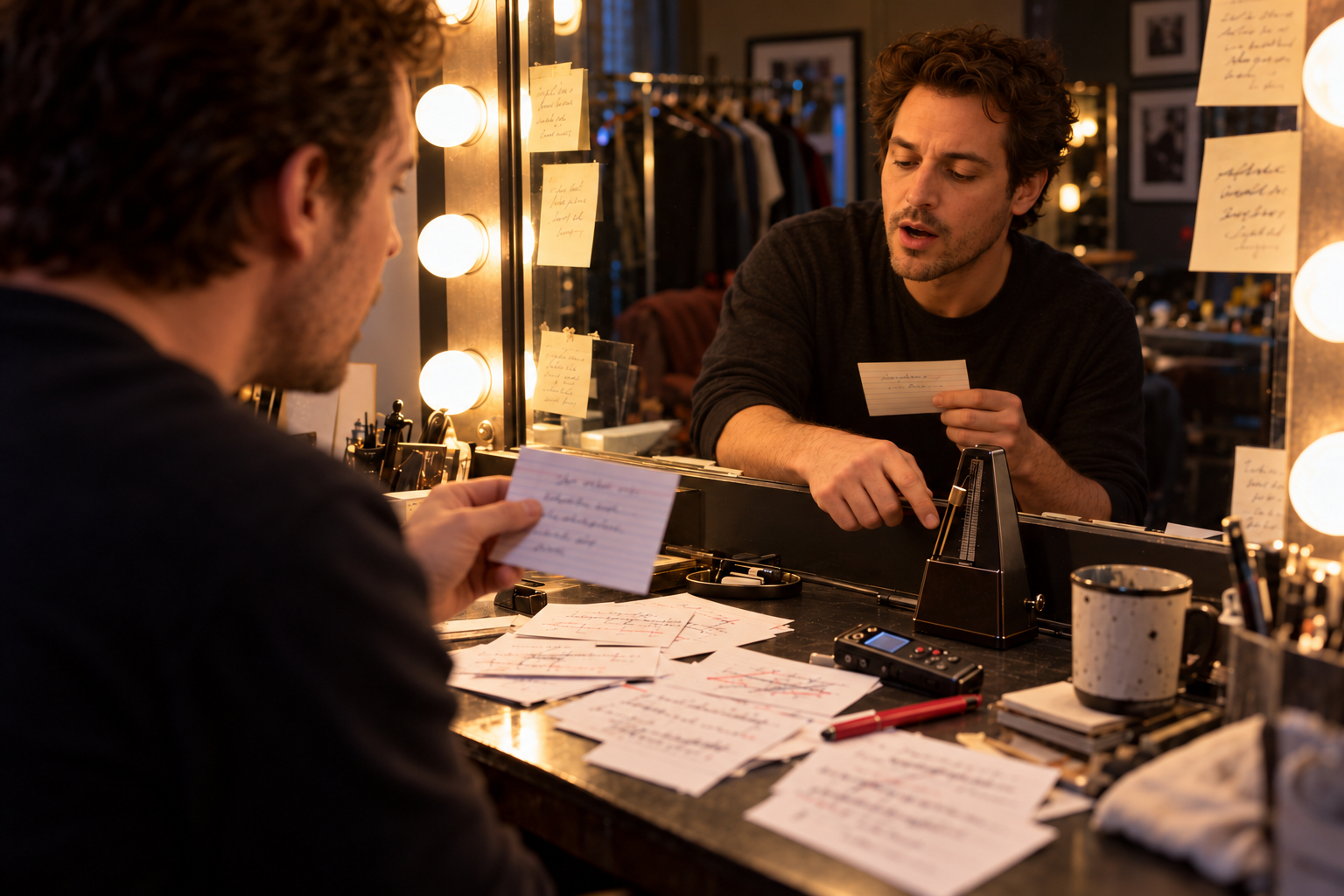
One-liners are a tiny stage for a single precise idea, and they live or die on timing, wording, and surprise. A neat one-liner trims every unnecessary word and leaves the listener a clean punch. Tight rhythm helps the joke land; awkward cadence makes it fall flat. This brief guide focuses on small, practical moves to sharpen your lines.
Focus on the Setup
The setup should feel ordinary enough to lower the listener’s guard but specific enough to steer expectation. Use a detail that points in one direction so the punch can swing another way; the contrast is where the laugh comes from. Avoid setups that carry too much information — confusion kills momentum. Keep the setup short and clear so the payoff has room to surprise.
Think of the setup as scaffolding: modest, sturdy, invisible once the joke is complete. When it’s overbuilt, the punch has nowhere to land.
Trim the Fat
Economy is the backbone of a great one-liner. Each extra word dulls the edge or shifts emphasis, so edit repeatedly until only essentials remain. Replace long phrases with sharper, single-word choices, and prefer the verb that does more work. If a line still feels bloated, cut it and see if the core idea survives; often it will breathe better.
- Change “I was in a situation where” to “I was”.
- Swap passive phrasing for an active verb.
- Remove qualifier words like “very,” “really,” or “kind of.”
Small deletions can transform a clunky observation into a crisp laugh. Trust the reader or listener to fill gaps.
Mind Your Rhythm and Delivery
A line written on a page must also be spoken in a way that honors its beats. Pay attention to natural stresses and place the pause where tension needs to build; silence is part of the joke. Test different cadences aloud, and note which words you instinctively emphasize. Sometimes the same words deliver better when you change where the breath falls.
Delivery is practice: try the line in different voices and contexts to learn its elastic limits. Repetition reveals which phrasing truly carries the punch.
Conclusion
One-liners thrive on clarity, surprise, and rhythm. Edit aggressively and listen to the beats aloud. With small, intentional changes you can make short lines land harder.