
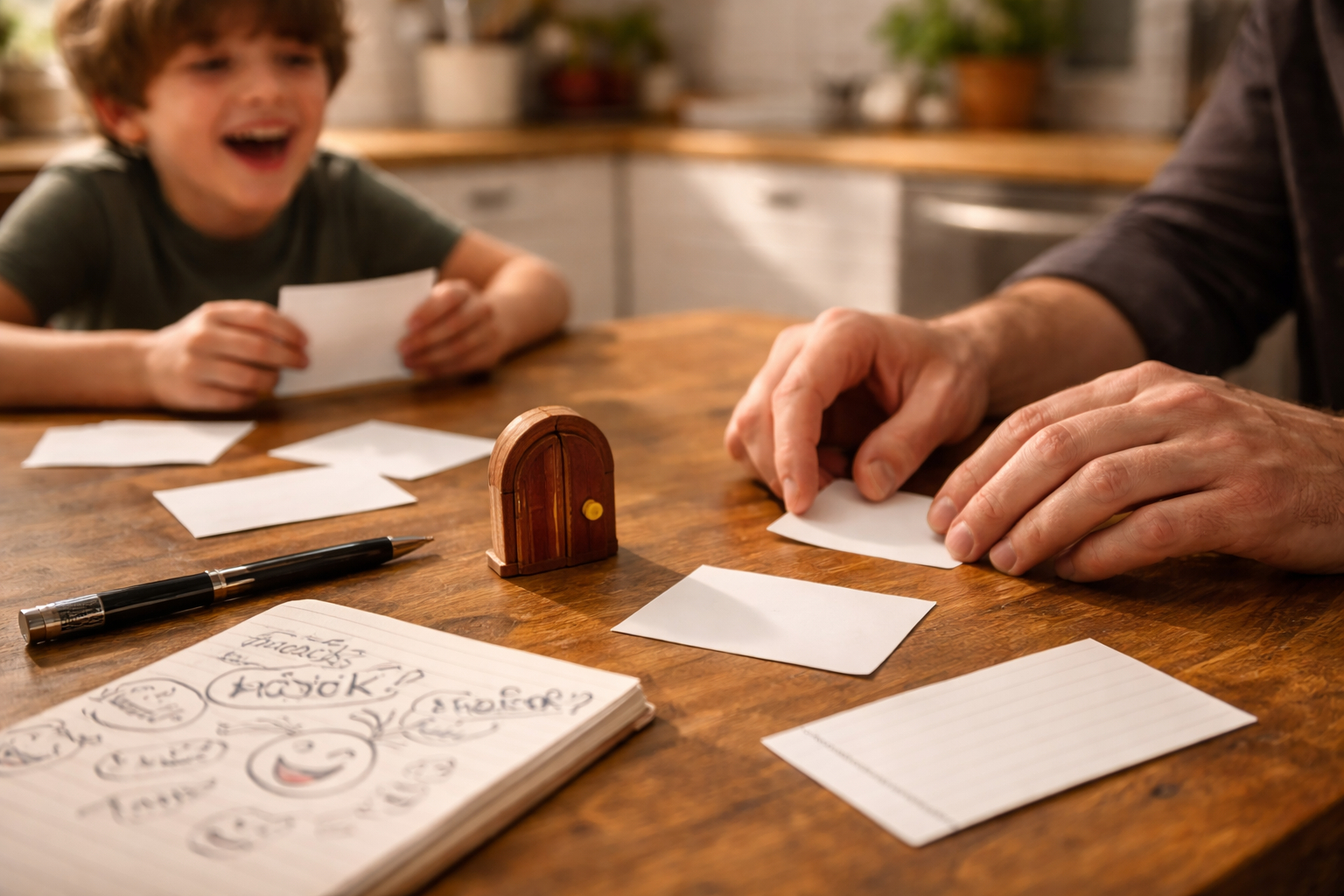
Crafting a memorable knock knock joke starts with understanding its simple mechanics and the lighthearted tone it demands. Whether you want to entertain kids or loosen up a friendly gathering, the same basics apply: clear setup, a clever name, and a punchline that rewards the listener. This introduction lays out practical techniques that help you write, test, and refine jokes that land. Apply these approaches to build a short bank of reliable, shareable material.
Understanding the Knock Knock Structure
At its core a knock knock joke follows a tight back-and-forth pattern that cues the listener’s participation: a call, a response, a name, and the payoff. That structure gives you limited space to set expectation and then subvert it, so each word matters. Keep language simple and rhythmical; predictable cadence helps the twist land. Study a few classic examples to see how the name choice steers the interpretation of the punchline.
Choosing Strong Setups
A strong setup gives the listener a clear path to follow before the playful detour of the punchline. Favor names or words that have multiple meanings or sound like common phrases, because ambiguity creates surprise. Keep the setup short and natural so the listener stays engaged instead of puzzled.
– Use words with homophones or double meanings for easy pivots.
– Pick names that mimic verbs or adjectives to create quick confusion.
– Avoid overly obscure references that require explanation before the laugh.
After choosing candidates, read them aloud to hear whether the transition into the punchline feels smooth. Tweak syllable count and stress to keep the rhythm steady and the reveal quick.
Playing with Timing and Delivery
Delivery transforms a decent joke into a great one; timing, pauses, and facial cues amplify the effect. A slight hesitation before the final line can heighten anticipation, and a confident, conversational tone helps the audience follow the set-up. For virtual or written formats, rely on punctuation and spacing to suggest pauses. Observe which styles of delivery get the best reactions and adapt accordingly.
Testing and Refining Material
Trial and error is the fastest route to a reliable roster of jokes that work across settings. Try new lines with small, willing audiences and note which ones get immediate smiles versus polite chuckles. Record short playback of live attempts or jot down variants that produce stronger responses. Refine by trimming unnecessary words and sharpening the semantic pivot that creates the laugh.
Conclusion
A playful knock knock joke succeeds when the structure, word choice, and delivery work together to surprise the listener. Practice aloud, select versatile setups, and refine based on audience feedback to build confidence. With a small repertoire and attention to timing, you’ll have quick laughs ready whenever you need them.