
Great one-liners cut through noise and leave a lasting impression in seconds.
They are useful in conversations, presentations, and casual writing where brevity matters.
This guide will help you understand what makes a line memorable and how to practice it.
Read on to learn simple principles and practical exercises to sharpen your wit.
Why concise humor works
A brief, well-placed quip connects instantly because it respects the listener’s time and attention. The brain rewards novelty and surprise, and a short twist of language triggers that reaction quickly. One-liners succeed when they balance clarity with an unexpected angle, so clarity should never be sacrificed. Cultivating that balance is a skill anyone can develop with mindful practice.
Elements of a strong one-liner
Start with a clear setup that establishes a familiar expectation, then deliver a concise punch that subverts it. Word choice matters: pick words that carry precise tone and rhythm rather than trying to cram in too many ideas. Timing and context determine whether a line lands, so tailor your phrasing to audience and situation. Brevity, surprise, and relevance form the core elements that make a one-liner memorable.
– Keep sentences short and rhythmic to improve recall.
– Use common references but add a fresh perspective to avoid clichés.
A tight closing line after the punch helps the listener process the twist. That small wrap-up can be an echo or a subtle clarification that enhances the impact and prevents confusion.
Practice techniques for sharper quips
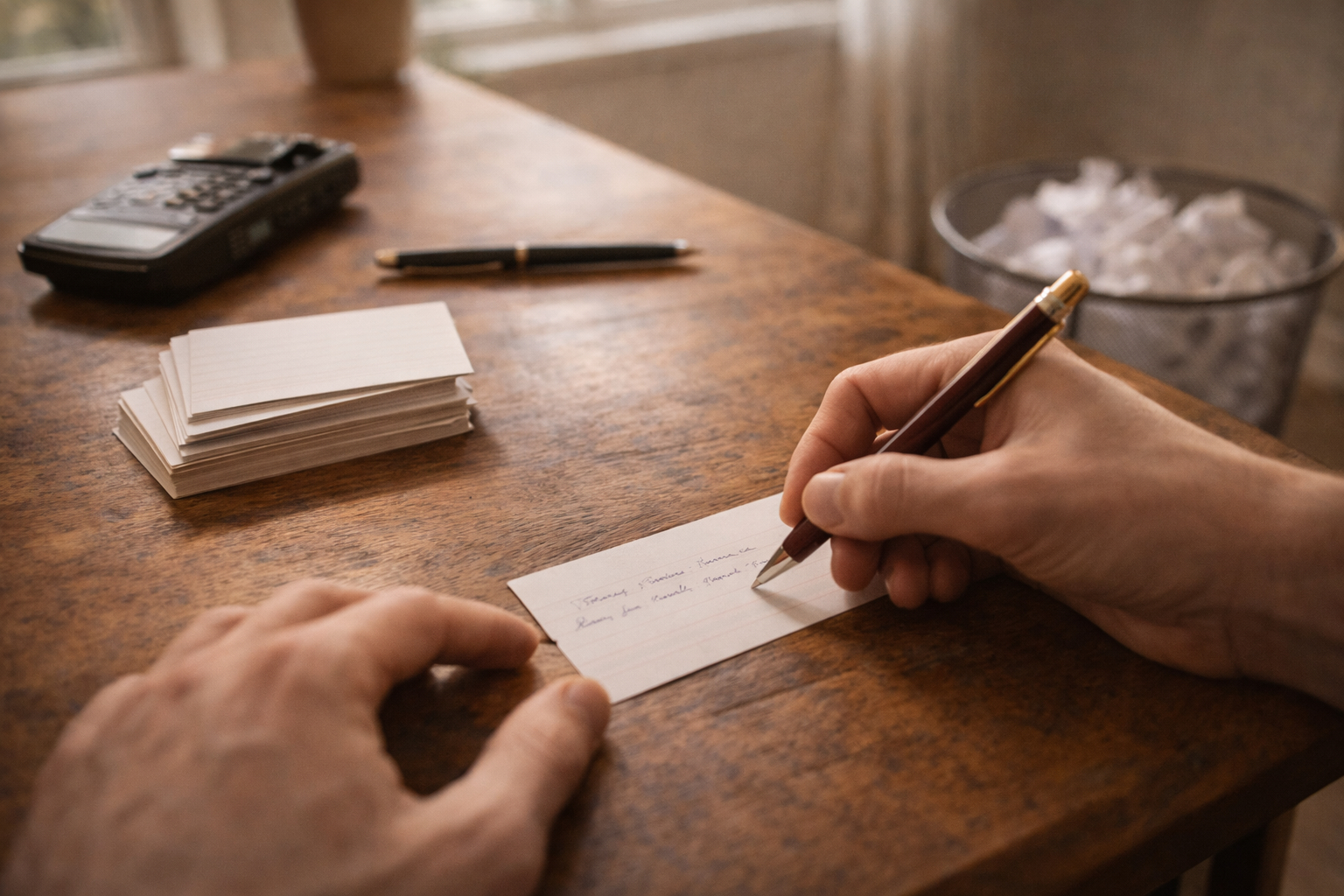
Improvement comes from deliberate practice and real-world testing, not just imagining clever lines. Try rewriting headlines, everyday observations, or personal anecdotes into one-sentence jokes to build fluency. Record short attempts and note which lines get reactions; patterns will reveal what works for your voice. Regular, low-stakes practice makes it easier to produce polished quips on demand.
– Reframe mundane observations into a setup-punch structure daily.
– Test lines in casual conversations before using them in formal settings.
Pair practice with reflection: when a line works, analyze why; when it doesn’t, adjust. Over time you’ll develop a sense for pacing and phrasing that suits different audiences and scenarios.
Delivery and etiquette
A well-crafted line can fail with poor delivery, so pay attention to tone, pause, and facial cues when speaking. Use pauses to build anticipation, and match your energy to the situation to avoid overselling a subtle joke. Respect boundaries; humor that targets vulnerable traits or sensitive topics often backfires. With thoughtful delivery, one-liners can enhance connection and lighten moments with grace.
Conclusion
Sharp one-liners are a blend of craft and context, honed through practice and observation.
Focus on clarity, surprise, and respectful delivery to make quips that resonate and amuse.
With consistent effort, small daily exercises will expand your ability to produce memorable lines.