
Short jokes sit nicely in a cluttered feed because they ask so little and deliver so much. A good one-liner balances a clear setup with a quick, unexpected twist that lands in a single breath. You don’t need cleverness that takes pages — you need a reliable process to spot and compress an idea. This piece breaks that process into small, repeatable moves anyone can practice.
What Makes a One-Liner Work
A tight one-liner usually has three things: a simple setup, a surprising turn, and rhythm that makes the punch feel inevitable. The setup should be ordinary and specific enough to invite a single idea into the reader’s head. The twist flips that expectation quickly, often by using a double meaning or a sudden reframe. Rhythm and sound—short words, a pause, or an internal rhyme—help the punch register without extra explanation.
Write setups that live in daily life: commuting, chores, apps, or tiny social awkwardness. Keep the language concrete and avoid big abstractions; the smaller the image, the easier the twist can play. Practice spotting the ordinary so the next step—adding the surprise—becomes second nature.
Quick Sources for Jokes
One-liners thrive on contrast, so scan daily routines for mismatches: expectation versus reality, literal versus figurative, or formal language used in silly places. Headlines, product descriptions, and overheard snippets are fertile ground because they already contain a contained idea. Turn those bits by pushing one word into a different register or by swapping a familiar final word for an absurd alternative.
Keep a short list on your phone of curious phrases and odd juxtapositions. Revisit them with the goal of forcing one simple surprise into each line. Over time you’ll learn which setups are flexible and which fizzle.
Tightening the Punch
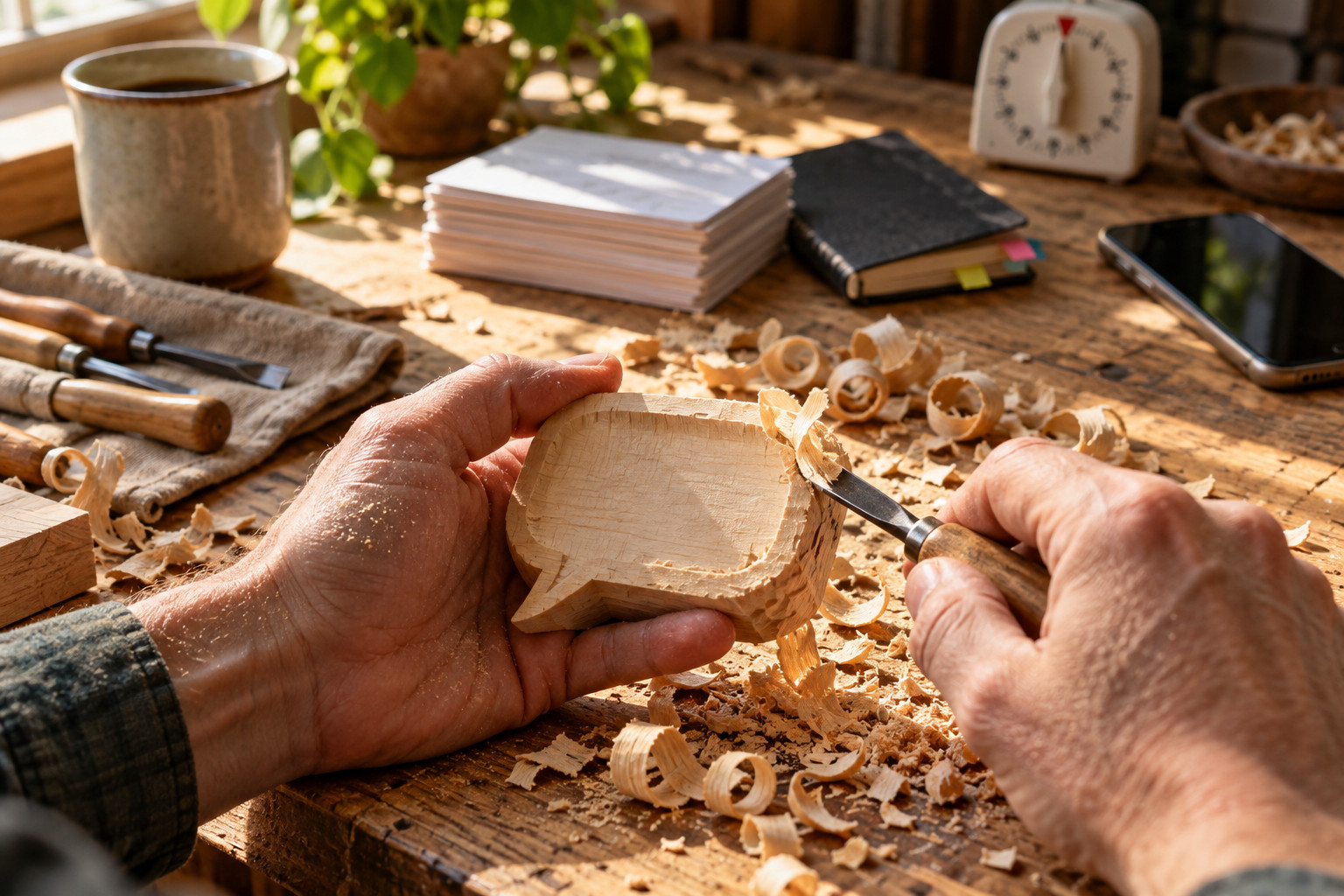
Edit one-liners like a sculptor chips marble: remove everything that doesn’t add weight or lift. Shorten phrases, replace vague nouns with concrete ones, and cut redundant qualifiers. If a line needs explanation, it’s not finished; a true one-liner should land without extra context. Sometimes a single word swap or a shifted comma is all it takes to sharpen the impact.
Read your line aloud and time the pause before the last word; that silence is part of the joke. Test variants quickly and keep the version that gets the clearest, quickest reaction. With small, deliberate edits you’ll increase hits and reduce misses.
Conclusion
Build a tiny habit of collecting odd details and trying one surprise per item every day. Focus on clarity, brevity, and a single twist to make short jokes that land fast.