
One-liners are a tiny craft with big potential; the best ones land fast and leave a smile. They need a clean setup, a surprising twist, and the courage to be brief. A single good line can break the ice in a room or salvage a slow conversation. This guide is about sharpening short jokes so they feel effortless, not forced.
The Setup: Say Just Enough
A strong one-liner begins with a setup that gives the listener the right context without overexplaining. Keep the premise tight: two or three words can be enough when they point clearly to an image or situation. Avoid jargon or obscure references that force extra explanation after the punchline. The tighter the setup, the faster the audience reaches the mental fork where the twist can surprise them.
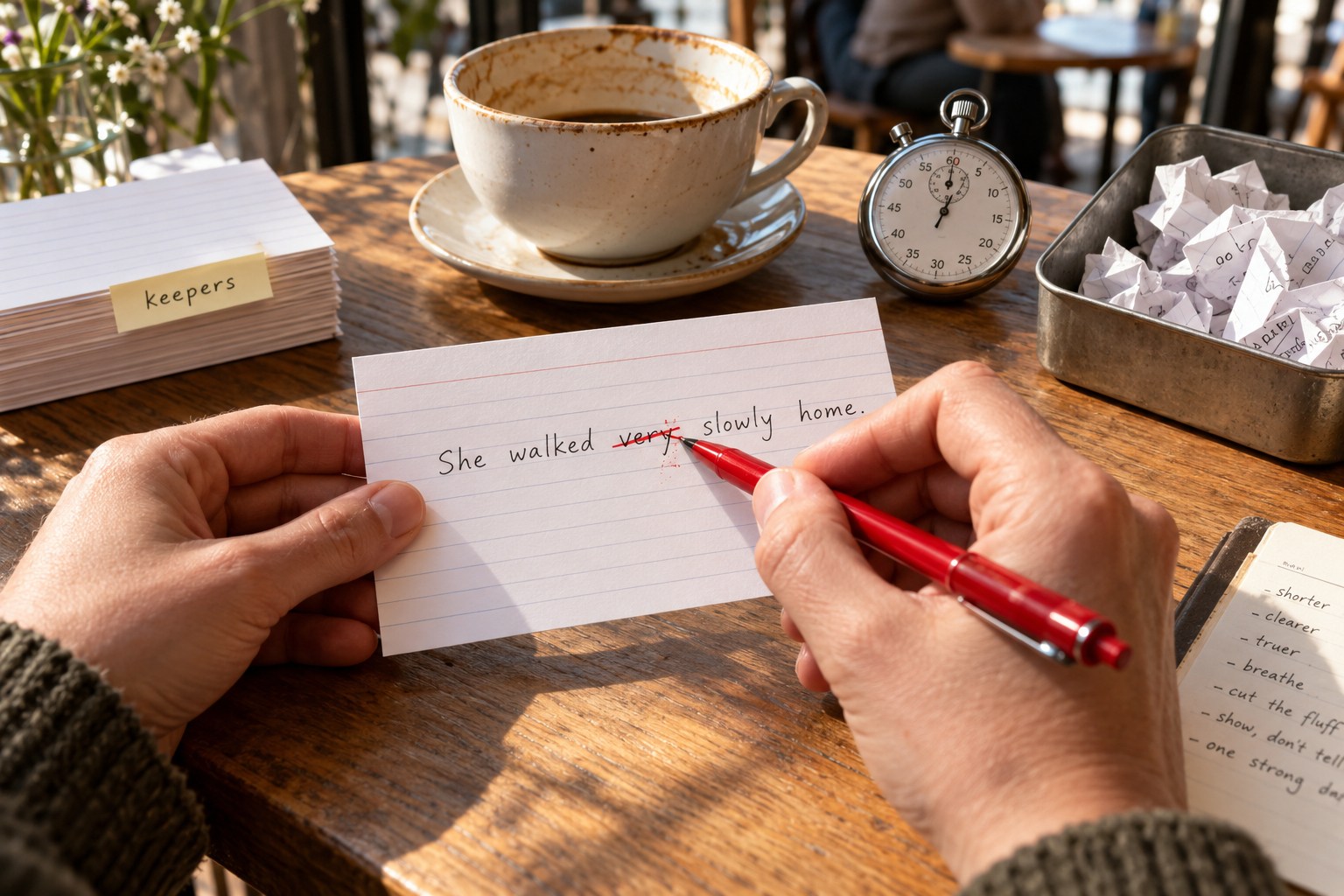
Practice trimming. Read the line aloud and remove any word that doesn’t steer the listener to the intended idea. Fewer words increase the punch’s velocity and make timing easier.
Timing and Delivery
Delivery is where a decent line becomes memorable; rhythm, pause, and the speaker’s energy all change how a punchline lands. A brief pause before the last few words lets expectations form and then breaks them. Match your tone to the joke — deadpan for absurdity, light and playful for self-deprecation — and avoid overacting. If a line needs a smile to sell it, practice until that smile feels natural, not rehearsed.
Listen to how people react and adapt. Comedians adjust pacing based on room energy, and you can do the same in conversations to avoid awkwardness.
Polish, Cull, Repeat
Not every idea deserves to be a one-liner. Keep a short list of candidates and test them in low-stakes settings. The rewrite stage is where cleverness either survives or gets stripped away: swap words for crisper alternatives, tighten cadence, and remove dangling clauses. Some of the funniest lines come from ruthless editing rather than inspiration alone.
- Swap long words for shorter synonyms.
- Check the syllable count for rhythm.
- Trim modifiers that don’t add meaning.
Be prepared to retire lines that don’t work and save the ones that do. Repetition breeds familiarity, and familiarity refines timing.
Conclusion
One-liners thrive on brevity, clear setups, and confident delivery. Practice editing until each word earns its place and test jokes in friendly spaces. With patience and careful trimming, short lines will start getting the laughs you want.