
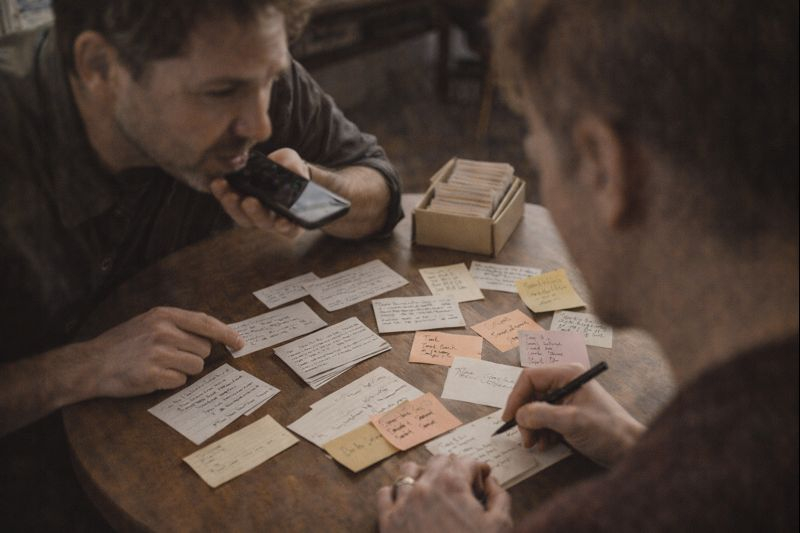
Short jokes depend on surprise, clarity, and a clean delivery, but familiarity can wear down even the best punchlines over time. Refreshing one-liners means making deliberate choices about angle, language, and rhythm so the same idea can feel new again to repeat listeners. This article offers practical techniques you can apply quickly—small rewrites, perspective shifts, and deliberate testing—to keep short jokes lively without overhauling their core. Use these methods when polishing material for social posts, short sets, or a daily humor feed.
Find a Fresh Angle
One of the simplest ways to renew a line is to change the point of view or reframe the setup so the audience’s expectation moves in a different direction; sometimes just flipping who is speaking or who the joke is about will create new surprise. Consider reversing cause and effect, describing the obvious in an unexpected register, or compressing the setup so the punch arrives sooner and hits harder. Look for subtext in the original premise and emphasize an overlooked detail to shift the emotional center of the joke without inventing a new scenario. These strategies preserve the kernel of the idea while opening space for a fresh response from listeners who think they already know the joke.
Keep a running list of angles that work—misdirection, role reversal, literal interpretation—and test them against your premises. Over time you’ll learn which shifts reliably produce new reactions and which feel forced.
Sharpen Language and Rhythm
Economy of words and a sense of cadence are central to one-liners, so tightening phrasing often makes a punchline land more cleanly; cut filler, pick verbs that carry weight, and favor nouns that paint a precise image. Pay attention to consonants and vowel sounds—short, clipped syllables can create a rapid snap while softer choices slow the setup and can be used for contrast. Read lines aloud, try different pacing, and experiment with punctuation to control micro-pauses; a well-placed comma or an intentional halt can be as effective as a full rewrite. These edits are small but cumulative: a sharper line reads better, performs better, and is easier for audiences to repeat.
Record yourself or rely on a trusted listener to flag awkward phrasing; fresh ears often reveal opportunities to tighten rhythm and clarity quickly.
Test, Edit, and Catalog
Testing jokes in varied contexts reveals how wording and timing interact with different audiences, so use social posts, casual conversations, and short live runs to gather reactions and micro-feedback. Note which variants get real laughs and why, then apply surgical edits that preserve the parts that work while removing the rest. Keep a catalog of versions and tag each with context notes—what worked, where, and under what pacing—so you can rotate phrasing without repetition and adapt lines to specific platforms. This habit turns iteration into an asset rather than a chore and gives you a growing library of reliable, fresh-sounding one-liners.
Treat editing as an ongoing practice: revisit older lines, apply one or two of these techniques, and you will often find a small change that makes a familiar joke feel new again.
Conclusion
Refreshing one-liners combines angle shifts, precise language, and iterative testing to preserve surprise and clarity. By cataloging variants and practicing small edits you create a reliable flow of fresh short jokes. These techniques keep daily humor crisp, shareable, and enjoyable for both creator and audience.