
One-liners are a tiny art form that deliver an immediate smile or thought.
They fit perfectly into social posts, conversations, and newsletter slots where brevity matters.
Used well, a single line can sharpen an observation, ease tension, or make a point memorably.
This guide covers what makes a good one-liner, practical writing tips, delivery advice, and ethical considerations.
What Makes a Great One-Liner
Clarity and surprise work together: the line should be instantly understood but end with a twist. Concrete imagery and familiar references help listeners form the quick mental jump that creates the laugh. Economy of words is key; unnecessary qualifiers dilute the effect and slow the punch. Tone matters too—decide whether you want dry, self-deprecating, absurd, or clever, and stay consistent.
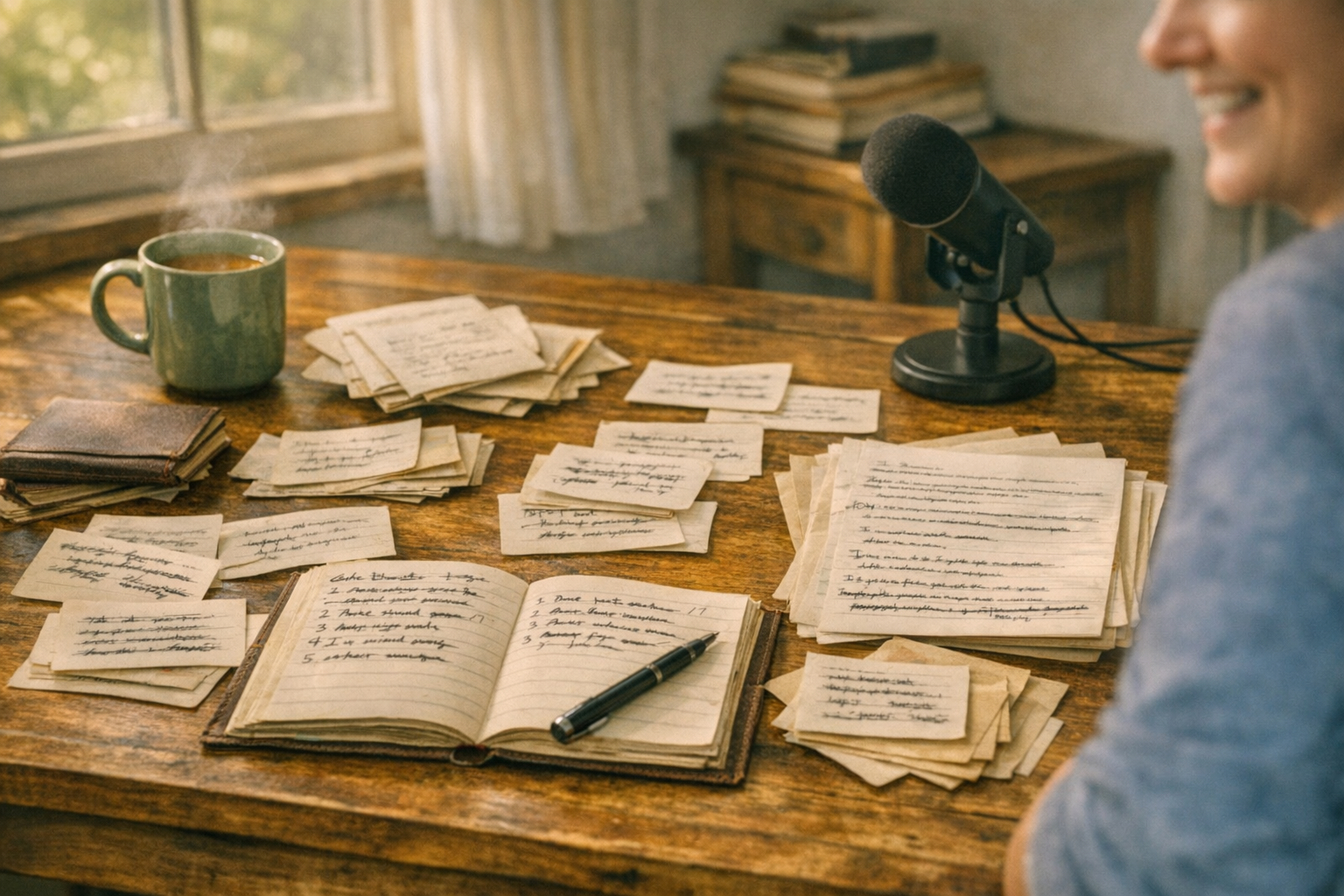
Evaluate your lines by saying them aloud and trimming anything that feels sluggish. A great one-liner often survives that ruthless editing and becomes sharper for it.
Writing Techniques
Start with an observation about everyday life, then look for an unexpected angle or contrast. Use misdirection by leading the audience down one mental path before delivering a different endpoint. Word choice is precious: verbs carry energy and short nouns keep the rhythm brisk. Parallelism and rhythm can make a line extra memorable, especially when two short clauses mirror each other.
- Flip expectations: set up a common assumption, then reverse it.
- Compress phrases: remove filler and use punchy verbs.
- Use specific detail to ground absurdity.
Try several variants and test them with friends or on social feeds to see what sticks. Iteration is where many one-liners evolve from decent to excellent.
Delivery and Timing
A written one-liner and its spoken delivery are different crafts; timing and tone can amplify or flatten the joke. Pause briefly before the punch and let the setup land; too quick a delivery can skip the smile. Facial expression and voice modulation add subtext, but avoid overacting which can make a line feel staged. In text, line breaks, punctuation, and capitalization act as timing cues—use them deliberately.
Observe how audiences respond and adjust pacing accordingly. Delivery tweaks often unlock responses that the writing alone couldn’t.
Using One-Liners Responsibly
Humor connects people but can also exclude or hurt if it targets identities or sensitive experiences. Aim for cleverness over cruelty and punch up rather than down whenever possible. Consider context: what plays well among close friends may be inappropriate in mixed or professional settings. When in doubt, choose self-deprecation or observational irony rather than barbs at others.
Responsibility doesn’t kill humor; it directs it toward surprises that make people think and laugh together. Good taste expands the audience for your one-liners rather than narrowing it.
Conclusion
One-liners are small tools that can brighten a day when crafted with clarity, rhythm, and kindness.
Practice regularly, watch reactions, and edit boldly to keep your lines sharp.
With attention to delivery and respect for your audience, a single line can do a lot.