
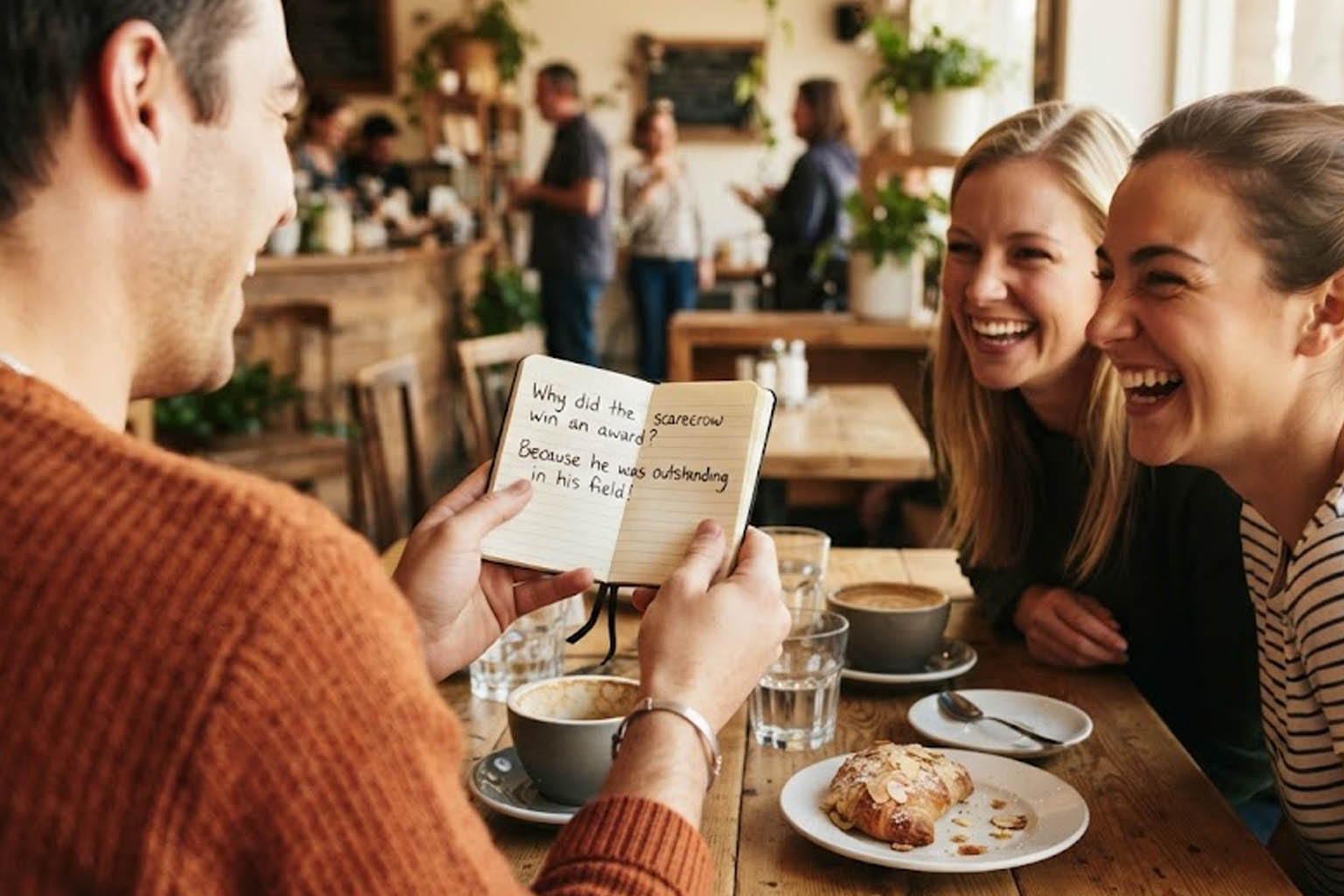
Puns are a tiny instrument of surprise that lift ordinary conversation into a playful space. They rely on double meanings, sound parallels, and quick mental shifts that reward both speaker and listener. A well-timed pun shortens the distance between people by signaling curiosity and wit rather than seriousness. For sites like Daily Dose Fun, puns are an accessible creative tool that invite regular readership with low effort. They turn routine observations into memorable moments.
The Psychology Behind a Good Pun
A pun catches attention by creating a brief cognitive surprise when two meanings collide or similar sounds are swapped. That surprise triggers a tiny reward in the brain, often accompanied by amusement and a mild release of tension. Because puns are low-stakes and language-based, they feel safe; people can laugh without feeling targeted or embarrassed. This quality makes puns especially useful for easing awkwardness or opening a conversation. Over time, frequent lighthearted wordplay can make communication feel more spontaneous and resilient.
When used thoughtfully, puns build rapport and signal creativity. They work best when timing and audience are considered. Small, consistent uses keep the effect fresh rather than tired.
How to Craft a Playful, Kind Pun
Start by listening to the environment and picking words that have more than one plausible meaning. Play with homophones, similar syllable patterns, or familiar idioms that can be twisted in a lighthearted way. Avoid targeting sensitive topics; the most effective puns surprise and delight rather than shame. Edit for clarity so the double meaning resolves quickly and the joke lands. Testing variations aloud helps you find the clearest and funniest phrasing.
Practice makes the process smoother and less forced. Keep a small notebook of ideas and revisit them later.
Using Puns in Social Spaces
Puns are versatile: they work in captions, conversation starters, signage, and even quick product descriptions. In group settings, a pun can spark collective laughter and create a moment of shared understanding. Online, a short pun paired with an image or clear context increases shareability and invites comments. Consider the tone of the platform and tailor the pun to fit the expected mood. In visual posts, simple typography and timing can strengthen the punchline.
Respectful humor increases acceptance and reach. When audiences feel included, they are more likely to engage and return. Monitor responses and adapt your tone when necessary.
Conclusion
Puns are a small but powerful tool for connection and creativity. They help people notice language and enjoy a brief mental twist together. By practicing thoughtful, kind puns, you can brighten everyday moments and invite more smiles.